







Select a language
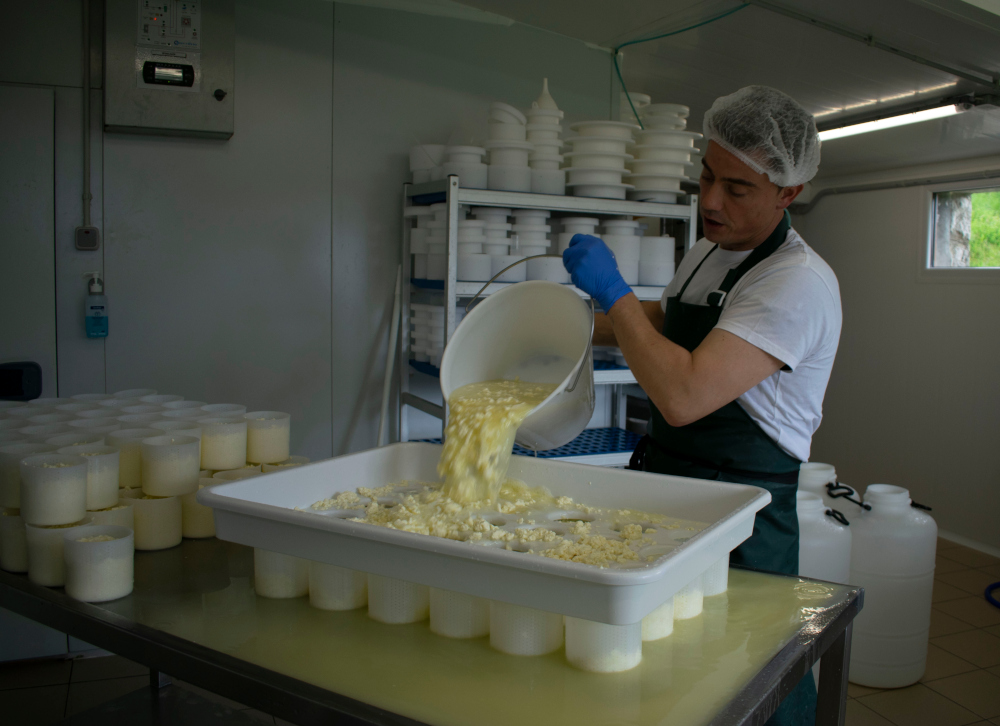
It is half ten in the morning. Luis is removing the cheeses he made the day before from their moulds. He’s already got the new tub filled with the milk he extracted this morning. Meanwhile, a kind of industrial dishwasher has already sterilised the rest of the moulds in batches. He twists a stopper onto the milk. He does it with practised precision. “You’ll see later what happens when it’s ready for moulding,” he says with a smile, like someone preparing a surprise or, rather, someone who knows exactly what they’re doing.
He is 35 years old and, alongside his brother Andrés, runs the El Pendo Cheese Farm in Escobedo, Cantabria, Spain. After completing his degree and living in Madrid whilst working in the meat industry, he decided that he didn’t want the countryside to become a childhood memory, and he took over his grandparents’ farm. It was then that he became interested in diversifying the business and in setting up the cheese dairy.
He trained in France and in northern Spain at the best schools until he found the perfect flavour. He now produces three varieties of cheese. One of them has been awarded a gold medal at the World Cheese Awards.
At the very same time that Luis is removing the cheese from its moulds, some 20 kilometres away in Torrelavega, Gonzalo Vázquez, 36, is carrying out a routine check on his dairy farm. He has checked that the milk’s quality meets the standards required by the sector and has made sure that the cows have enough feed for the rest of the day. On top of that, one of them is likely to calve that very morning, so he’ll need to keep a closer eye on her today. “I’ve always loved it,” he says, his eyes lighting up. He recalls the moment in 2009, when he took over from his father and worked alongside his sister in milking the cows.
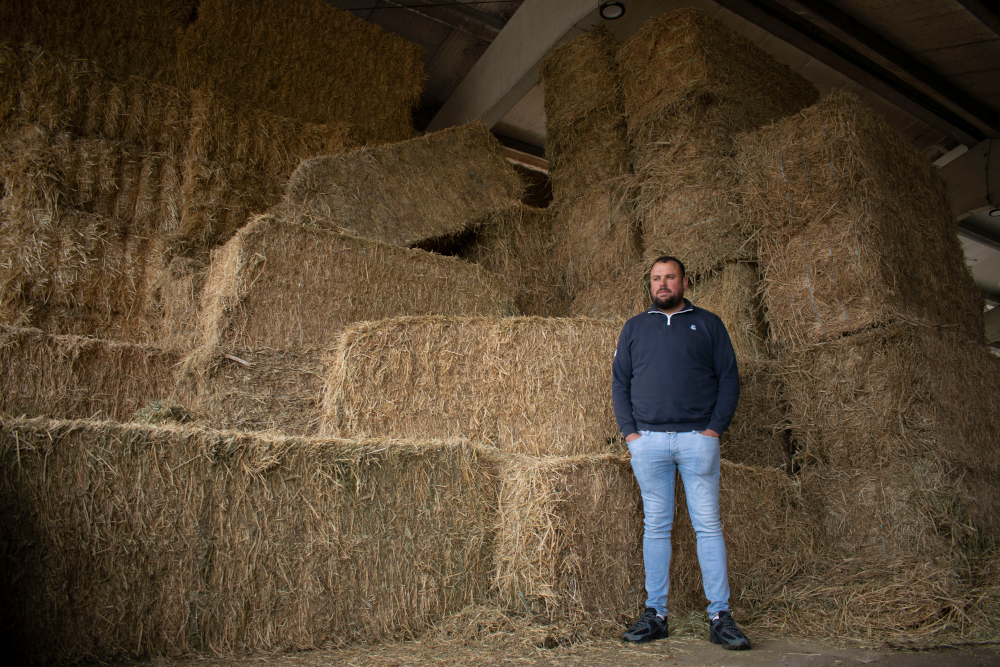
Both are part of the 12% of young people under 40 working in the primary sector in Europe, a sector where the average age is 57. Indeed, in recent years, the European Commission has placed particular emphasis on generational renewal, arguing that it is “fundamental to food security, sustainability, competitiveness and the vitality of rural Europe”.
The Spanish Ministry of Agriculture and the European Union identify the lack of generational renewal as one of the main challenges for the future of the agri-food sector.
For example, in October 2025, the Commission proposed a strategy to double the number of young farmers by 2040, alongside other measures such as ensuring the professionalisation of the sector and creating an effective succession and retirement system. European farming, however, is a long way off that goal.
The first step
“Access to land is one of the biggest barriers, but not the only one,” confirms Luis. He is also a spokesperson for Jóvenes Ganaderos (Young Livestock Farmers) and argues that without access to land, farming cannot be a generational profession. Thanks to their grandparents’ land and livestock, both both brothers were able to take on the El Pendo Farm – even though neither of their parents had worked in agriculture.

In fact, the cheese dairy used to be a small outbuilding for storing livestock feed. Now, the aroma of cheese and the milk churns welcome you as the curdling process takes place. “Tourism and urban development are also affecting our business, driving out those already in the sector and preventing others from entering,” he explains.
This is a reality Gonzalo knows all too well: “Even if I wanted to expand my farm, I couldn’t buy the land around it because it’s either unavailable or has increased in value.” What he has is inherited from his father.
Currently, Spain does not have a land inheritance programme to bridge the gap between those entering the sector and those retiring. The sustained rise in prices, competition for land use and difficulties in accessing finance further restric the access to productive land.
On the other side of Europe, in Greece, the situation is the same. “If you don’t inherit land, a well and a tractor, there’s simply no way you can become a farmer,” explains Kostas Kafes, Vice President of the Thebes Agricultural Association in Greece. For him, this is not only a problem for those wishing to enter the sector, but it means many do not even consider it a viable career option precisely because of these barriers. He also mentions the difficulty in accessing credit or funding beyond state or European aid.
In recent years, young Greek farmers have been calling for public policies that would enable them to enter and remain in the sector. They argue that current measures are insufficient in guaranteeing the viability of their farms. This situation is particularly worrying in Greece, where only 7.2% of farm managers are under 40 years of age.
Whilst ensuring equitable access to land has been prioritised in the European Union’s agricultural policies, it still represents a major hurdle for those entering the sector for the first time. National associations of young farmers and livestock breeders argue that without access, “a generational transition cannot happen”.
Meanwhile, neighbouring Italy is attempting to address this problem through subsidised loans to help those wishing to set up agricultural businesses. Among these, grants from ISMEA (Institute of Services for the Agricultural and Food Market) for the purchase of land are particularly substantial. However, their scope is limited, as only a fraction of applications are approved each year due to budget constraints and eligibility requirements.
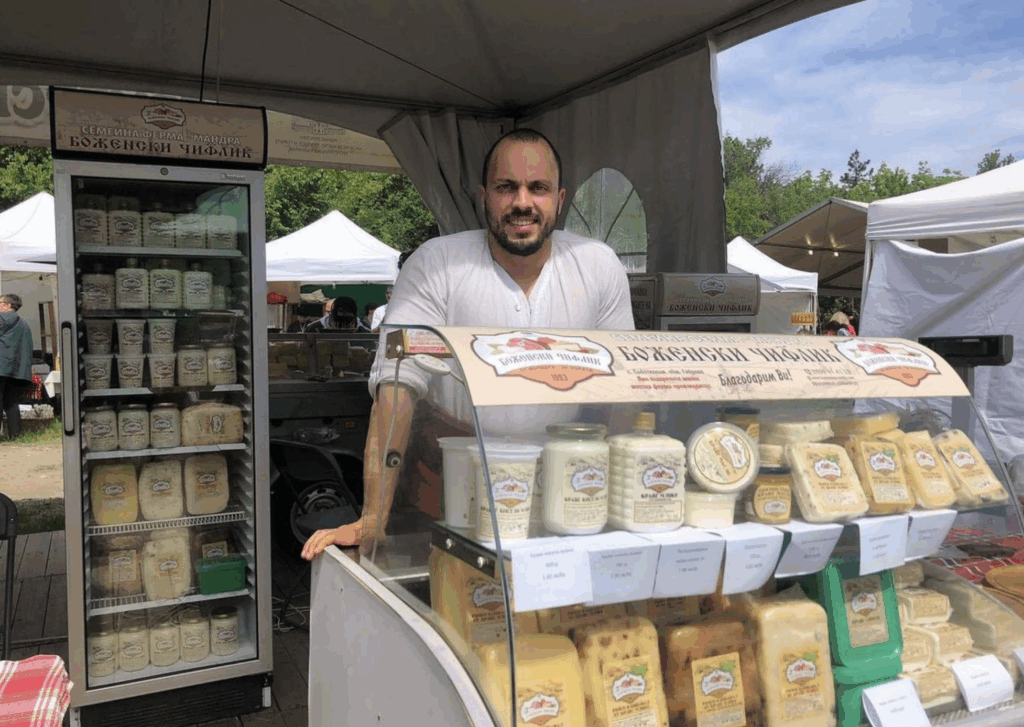
“The shortage of people willing to take up this work, the difficulty in accessing land and credit conditions are the main barriers here in Bulgaria,” Petar Petrov tells Mediapool. Petrov is the owner of Bozhenski Chiflik, a small rural ecotourism complex that includes a dairy farm, sheep (to be used for meat), horses and even a licensed dairy plant. He is also president of the Bulgarian Young Farmers’ Association. In Bulgaria’s case, the situation is more extreme. Petrov explains that, in agriculture, labour shortages are more acute than in other sectors. According to official sources, some farms are even forced to hire workers from Uzbekistan, Nepal, India or Kyrgyzstan. Therefore, it is not just a problem of access for landowners; there is also a lack of young people willing to work in the countryside.
A sector subject to “volatile” prices
“As a young farmer, the maximum amount I can be granted for a working capital loan is barely €40,000 – it is an insufficient sum to get started or to make significant investments once you’re already running your farm,” explains Petrov, pointing out that, even after overcoming the barriers to entry, the difficulties in establishing a farm persist.
These difficulties contrast with the sector’s continuing importance to the European economy. According to Eurostat, in 2025, agriculture generated an estimated GVA of €251.8 billion and contributed 1.3% of the EU’s GDP. Despite this economic and strategic importance, agriculture and livestock farming continue to face a reality that goes beyond the yield harvested on a farm.

“It’s a rapidly changing sector; prices are volatile and you can neither predict nor control them,” admits Luis. He cites as examples the situation brought about by instability in Mercosur or the war with Iran.
Unpredictable factors such as pests, infections or even extreme temperature conditions also have an impact. “The heat stress that my cows suffer also affects my production,” explains Gonzalo.
But, as producers, they must carry on working regardless of profitability. “Each crop requires at least €1,000 per hectare; and that’s the cheapest option,” explains Kostas Kafes, emphasising that the money invested does not guarantee an immediate return. For the Greeks, Kostas says, farming represents an ongoing investment that often does not result in “covering costs, but rather in losing money”.
For them, it is not just about public subsidies, but about creating a system that allows for the long-term financial sustainability of agriculture. “We need to protect the national and European primary sector to avoid the effects of crises,” explains Luis, stressing that “small and medium-scale farmers” are the hardest hit.
Young people innovate
“I remember, at the start, many older colleagues and even my own father asked me about the milking machinery and whether it was profitable,” he admits. He opens a mobile app and can instantly see how much milk has been produced by each cow and even which udder it came from. Sensors and a data platform allow himt o meet industry requirements with a precision that hand-milking could never achieve.
He has two milking machines that use data from chips attached to the cows; as soon as the cows approach, the machines detect whether they can be milked again or not. Each cow has a milking limit, and they approach the machines of their own accord. In addition, he has two cleaning robots to keep the resting and feeding areas clean for his cows.
‘The shortage of people willing to take up this work, the difficulty in accessing land and credit conditions are the main barriers’ – Petar Petrov
“In part, I’m also doing this with a goal that’s very common among our generation: work-life balance,” says Gonzalo. He maintains that one thing that sets them apart from previous generations is the desire for time for themselves – to rest or to start a family.
Similarly, he argues that mechanisation is not only about improving productivity, but also about ensuring a better quality of life in the long run for those working on the farm. Even so, not a day goes by without him sorting out some issue related to the farm.
Diversification as a safety net
Luis flips the stopper again to make it roll across the tub where he poured the milk that morning. Lunchtime is drawing near. This time, the stopper doesn’t spin. “Do you remember how it used to spin?” he says with a wink. By the time he’s finished cleaning and tidying the cheese dairy, the milk has taken on a creamy, almost solid texture.
He moulds the award-winning ‘Nos veremos’, so named in honour of one of the mines where his father worked. And now he moves on to the larger ones. The process is second nature to him. Mould. Cheesecloth. Pour. Divide. He weighs up quantity by eye, but they all end up the same. “Tradition is the essence,” emphasises the cheesemaker.
This “essence” is something he brings to everything he does, because it’s not limited to cheese alone. “We need to diversify. Our aim is not just to make ends meet, but to make a real living from this,” he explains. He has also sold milk to the dairy industry, made sheep’s cheeses, sold livestock to the meat industry, produced nougat at Christmas time, and even hosts and organises visits from school groups and members of the public to his farm.
But this is not a one-off model. In Italy, more specifically in the province of Arezzo, in Tuscany, 32-year-old Jacopo Trasolini is the owner of the Victor & Rose agritourism business. As well as managing the family farm, he founded Wilongevity, a range of anti-ageing cosmetics made from kiwis grown on the farm.
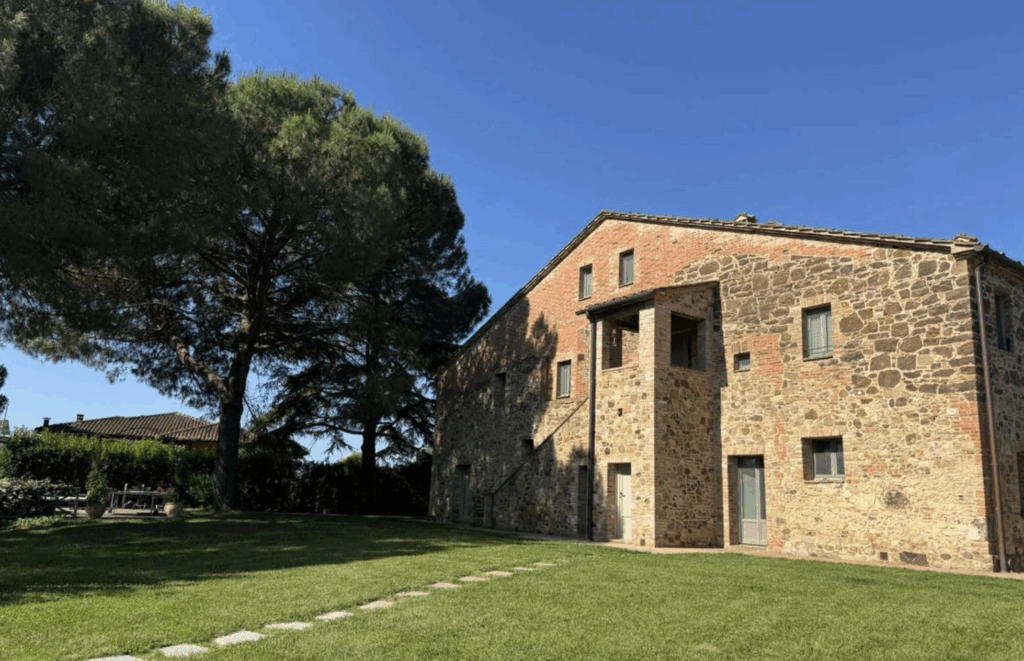
“One day you’re sowing seeds, the next you’re managing social media, and the next you’re welcoming guests. It’s no longer just about farming,” he explains. For him, the new generation of farmers and livestock breeders “have gone from being farm labourers to entrepreneurs”.
The poor profitability of the Italian agricultural sector remains one of the main reasons why it is less attractive to young people. In response, between 30% and 35% of farms run by young people supplement their income through agritourism.
“There’s no other choice, really, because diversification is a response to a crisis,” explains Jacopo, who is grateful for his father’s experience in the countryside, which has provided him with the knowledge to explore other business avenues. In fact, his next aim is to digitise his farm: “We’re developing a project where people virtually plant a vegetable patch, whilst we physically tend it.”
After spending a few hours complaining about the sector, when Luis is asked why he carries on, his eyes well up with emotion, he lowers his head and grips the mop handle more tightly. He doesn’t reply, and the silence is filled with the sound of the cold store: “This love for the countryside is something you simply have.”
👉 Original article on El Confidencial
🤝 This article was produced as part of the PULSE collaborative project. Silvia Martelli (Il Sole 24 Ore, Italy), Mike Konstantopoulos (EFSYN, Greece) and Dragomir Nikolov (Mediapool, Bulgaria) have contributed to it.
🗣️ Have a question, comment or suggestion? Share it with us through the PULSE reader form – we read and reply to every message. Be part of Europe’s conversation. Your experiences and ideas can inspire the next stories we tell. Join the PULSE readers’ community by filling in this short form.
.
O
Do you like our work?
Help multilingual European journalism to thrive, without ads or paywalls. Your one-off or regular support will keep our newsroom independent. Thank you!