











Select a language
“The flood took everything from us: the goats, the sheep, our barley, and the corn, which we had just gathered. Everything,” says Maria, an elderly farmer living in Costache Negri, a village in southeastern Romania submerged by the September 2024 floods.
For her, more than €20,000 worth of livestock vanished overnight. When government aid arrived weeks later, it covered washing machines and televisions, but not the drowned sheep or destroyed harvests. She was not among the recipients. “I rebuilt everything myself,” she says, adding that she had to draw on her personal savings to recover.
Those with private insurance do not always fare better. When French organic farmer Edouard Exilard lost 35 ewes after floodwaters swept through his meadow in October 2024, he received no compensation for losses of at least €12,000.
His insurance only covered livestock found dead inside buildings, conflicting with organic farming rules that require daily outdoor grazing.
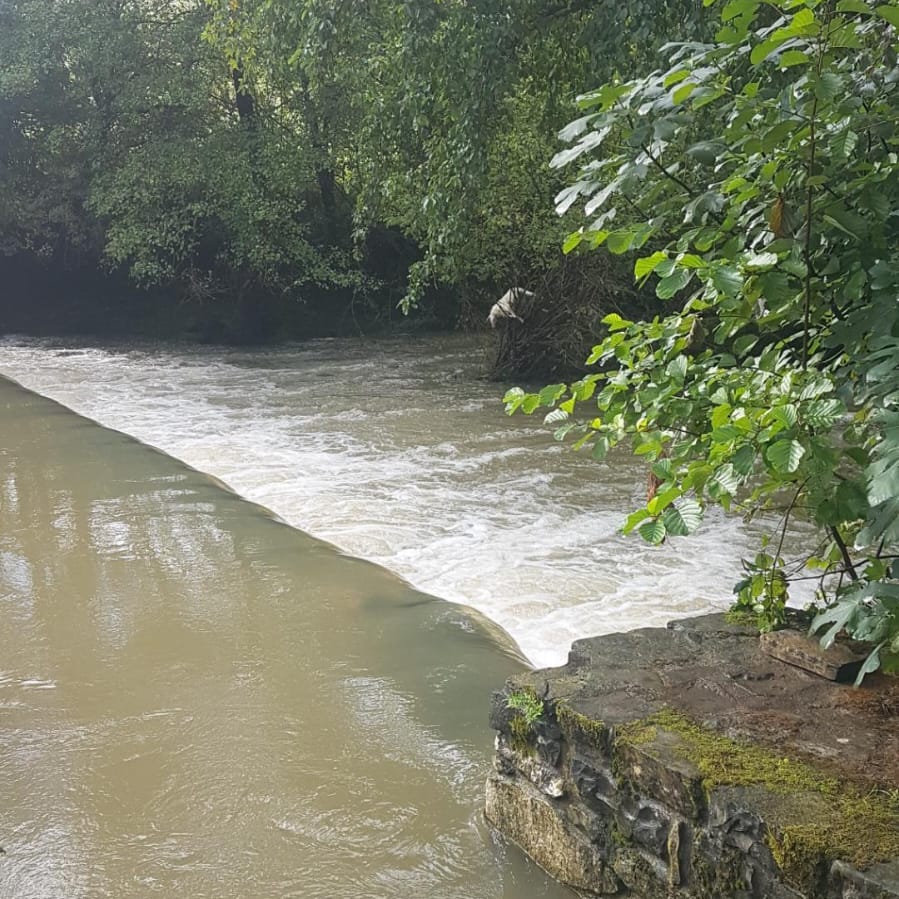
Such cases are far from isolated. As Europe warms faster than any other continent, extreme weather events are intensifying in both frequency and impact.
Between 1980 and 2023, climate-related disasters caused €738 billion in economic losses across the EU – €162 billion in just the last three years. Yet amid the mounting damage, one victim group remains systematically invisible: animals.
Europe is home to 132 million pigs, 72 million cattle, 57 million sheep, and 10 million goats. As floods intensify, the continent lacks a systematic way to count, protect, or compensate for the animals that perish in them. Such losses are rarely recorded, often inaccessible, or buried in bureaucratic systems.
This structural blindness has tangible consequences: uncounted animals are undervalued, undercompensated, and unprotected, reducing incentives to prevent future losses.
The gap is striking given Europe's stated commitments. The EU's Treaty legally recognised animals as sentient beings whose welfare must be "fully regarded." Since 2023, the EU has been carrying out major reforms to modernise and harmonise its animal welfare legislation.
Yet when disaster strikes, these principles evaporate. When asked about these issues, an EU Commission spokesperson bluntly stated: "Animal welfare in disasters does not fall within the scope of EU animal welfare legislation."
The data black hole
When floods sweep across the EU, animals lost in the waters are seldom tracked.
In Germany, the federal authorities remain largely in the dark: “We do not collect data on livestock losses from flooding,” admitted a spokesperson from North Rhine-Westphalia’s Ministry of Agriculture to queries about the 2021 catastrophic floods that damaged hundreds of farms.
The Aufsichts- und Dienstleistungsdirektion (ADD), a central administrative authority linking state and local governments, holds only partial data. In Rhineland-Palatinate, losses amounted to 2,924 chickens, 19 cattle, 17.8 tons of trout, and 5 rabbits.
In France, the opacity is even worse. Seven months after requesting data on flood-related animal losses from the Direction Générale de l’Alimentation, we haven’t received any response.
"We had to go straight to farmers," says Céline Sissler-Bienvenu, disaster risk specialist and former director of International Fund for Animal Welfare (IFAW) France.
"Some were willing to talk; others refused. Institutions like the Chambers of Commerce were often very reluctant to share information, perhaps because losses are not always properly recorded. But in the livestock sector, such data should exist, yet there is little willingness to disclose it, because the losses are considerable.”
France, nevertheless, has publicly available industry-level data from rendering companies: in 2023, they processed 437,745 tonnes of dead farm animals, some likely due to floods. This, however, is anonymised and undifferentiated.
Romania shows that the data black hole doesn’t need to be the norm.
Following the September 2024 floods in the Vaslui and Galați counties, authorities reported that 14,066 birds, 1,888 sheep, 564 pigs, and hundreds of other animals were lost, affecting over 6,500 households.
This is possible due to Romania’s network of “circumscription” veterinarians, private practitioners “paid by the authorities to keep a count of all the animals in their assigned territory. This was the case in Culdalbi and Costache Negri,” according to Alexandra Sava from Sava’s Safe Haven, an animal shelter in Galați.
The system is not perfect: it is time-consuming, requires door-to-door visits, and falsely assumes veterinarians are unaffected by floods.
In Cudalbi and Costachi Negri, their houses were among the hardest hit, leaving them shaken and unable to work. Their duties were temporarily taken over by veterinarians from Galați.
According to Constantin Albu, a Cudalbi representative, teams of local authorities, Galați veterinarians, and technical staff spent the first two days after the floods counting and collecting dead animals.
The data was then passed on to the local authority, which forwarded it to the national level.
When the plans drown too
If, as in many EU countries, animals are not counted after disasters, are they planned for at all in emergency responses?
The answer varies wildly. In Germany, animal welfare is considered under the law even in emergencies. Although human life is priority, owners are legally obliged to secure or evacuate their animals. Disaster control is mainly the federal states’ responsibility, a Ministry of Agriculture spokesperson confirmed, but when asked, none of the 16 states require animals to be considered in disaster planning.
Poland shows a similar gap. In a June 2025 report, a nonprofit organisation Czarna Owca Pana Kota reviewed 25 legal acts, selected provincial-to-municipal crisis management plans, and 344 institutions, and found no obligation to develop animal evacuation procedures. Most provincial protocols mention animal evacuation only vaguely.
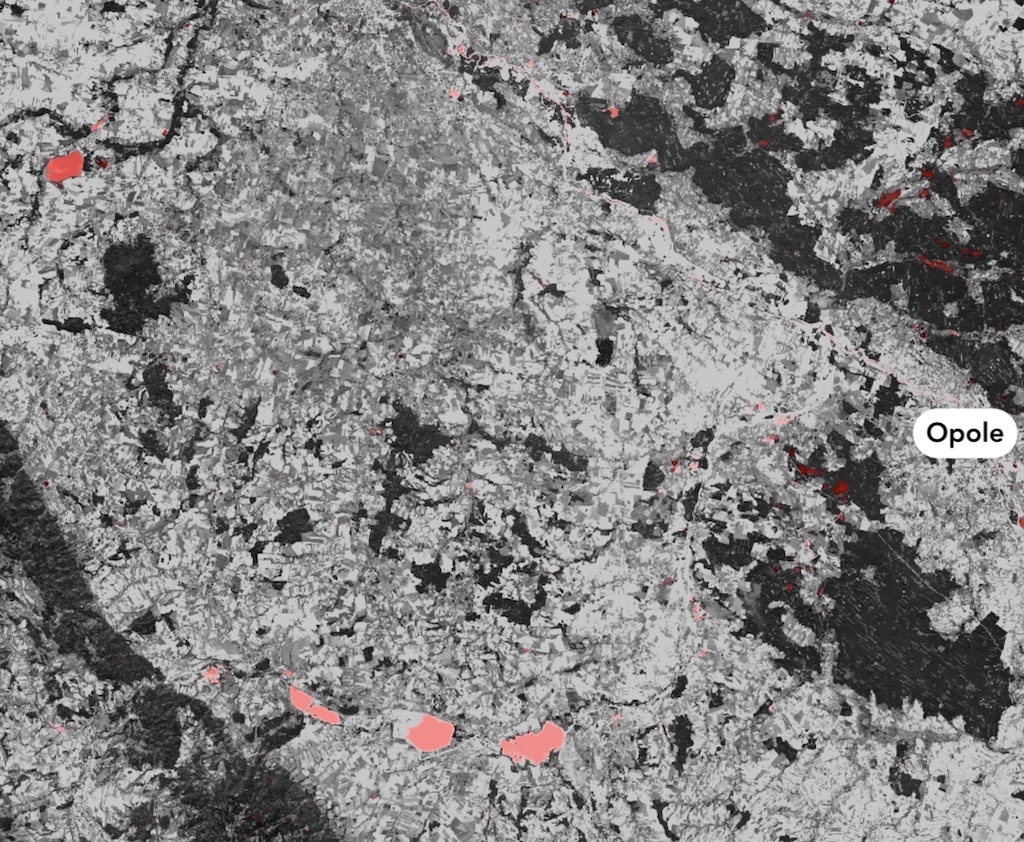
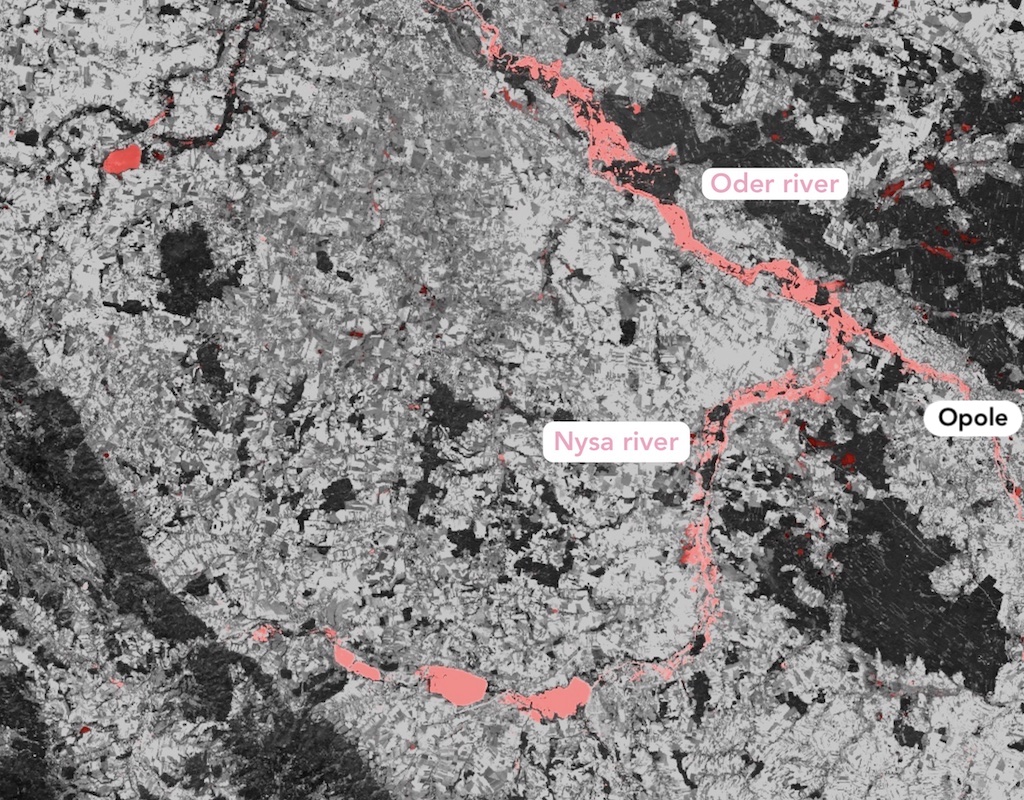
Neither the government nor local municipalities provided feedback on the report, stressed Aśka Wydrych, one of its authors. In August 2025, the Polish government did publish a safety guide for farmers outlining how to secure animals in crisis situations. However, at the legal level, there is still no explicit penalty for those who abandon animals or fail to protect them during emergencies.
Similarly, the Czech disaster response plans provides only a set of recommendations (primarily from fire and rescue services) to owners on how to protect their animals during natural disasters. Owners are encouraged to include animals in their evacuation planning, as the authorities do not evacuate livestock.
Where possible, animals should be moved to higher ground or safe locations ahead of rising waters. These, however, are not legal obligations.
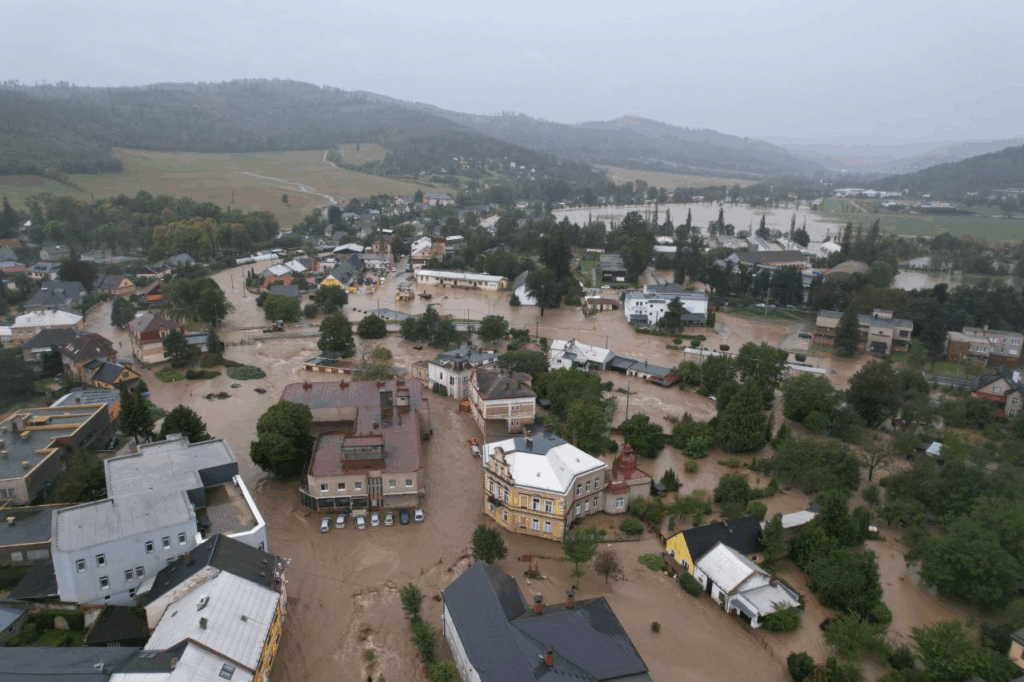
Romania, again, is an exception – at least on paper. Its legal framework mandates clear responsibilities: the National Sanitary Veterinary and Food Safety Authority coordinate animal welfare in emergencies, while local authorities must develop defences against floods outlining specific evacuation procedures, including for animals.
In practice, when the September 2024 floods struck, most protocols for both human and animal rescue went down the drain. "I climbed onto the bed as the water rose to fence level," one Costache Negri resident recalls.
"I waited there alone, my feet still in the water, until morning came." Her chickens, kept on higher ground, survived. Other locals confirmed their animals survived the same way.
Cudalbi’s Albu confirmed that residents were responsible for their animals’ rescue: “There is no designated rescue space for animals. Everyone knows their surroundings best."
Farmers – the last line of defence
When institutional frameworks fail, or never existed in the first place, the burden falls on those who can least afford it. Across Europe, from the Pyrenees to rural Poland, farmers find themselves facing terrible situations, forced to juggle protecting their livelihoods and their own safety.
In early September 2024, storms hit the French Pyrenees, triggering landslides and rockfalls during the alpine grazing season. Olivier Maurin, a transhumant shepherd, struggled to reach the shepherds he employed in the high pastures, where poor connectivity meant some were unaware of the orange-level weather alert. Neither he nor other farmers received calls from authorities or insurance companies prior to the flooding.
Despite this, the shepherds watched over their herds throughout the entire storm. "Credit must be given to the farmers and shepherds for their professionalism, because in conditions like this, it takes a lot of strength not to give up and abandon your herd," insists Maurin.
For those who cannot save their animals, after spending nights wading through chest-high water to untie panicked livestock, the psychological toll can be severe. There is enormous guilt; many have chosen not to purchase animals again.
“I didn’t buy any more goats,” said Maria, the Romanian farmer who had to rebuild everything, as goats were her greatest loss during the floods. “Now I only have cows and pigs.”
Another neighbour stopped raising ducks and geese and kept only a few, less expensive chickens. “I’m always afraid of the rain now,” she said.
The compensation lottery
Animal loss compensation remains low on EU governments’ priority list, making farmers’ losses even more acute.
After the floods in Romania, affected families received two compensation rounds totalling about €5,000. The first one, around €2,000, covered housing damage.
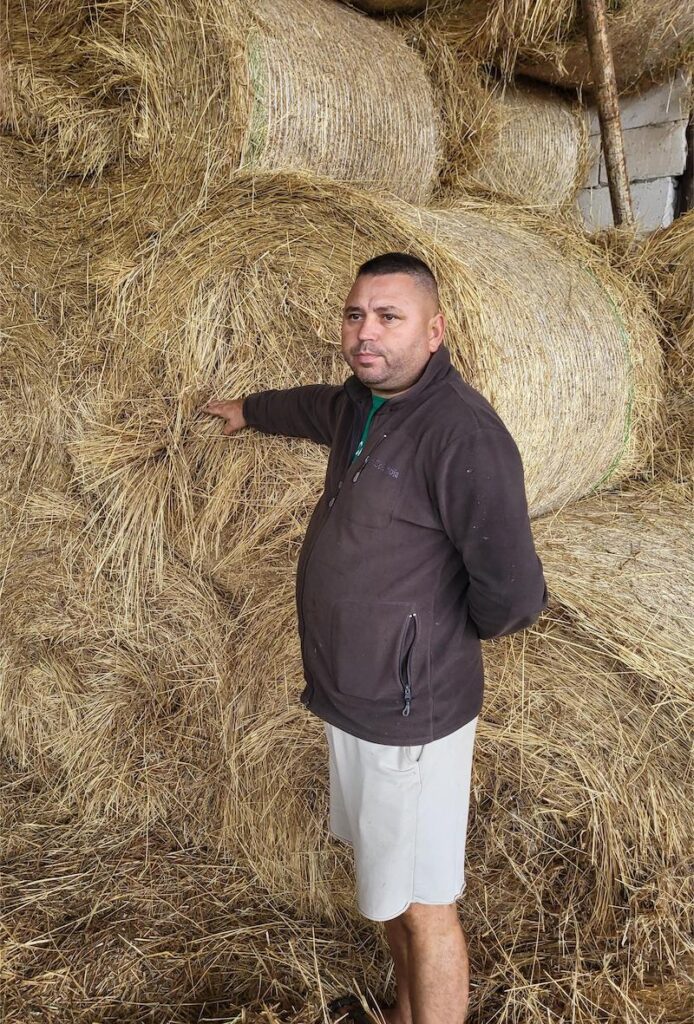
The second, slightly less than €3,000, was legally earmarked for four goods: an oven, a television, a refrigerator, and a washing machine. “Your house is destroyed, and the authorities are forcing you to buy electronics,” said Maria, the Costache Negri farmer.
Residents had to present receipts for purchases to be reimbursed. FOI data from the Galați payments agency shows that 97 of 440 recipients in Costache Negri and 47 of 657 in Cudalbi had to repay funds due to missing receipts or purchasing unapproved items. Some of them had also lost animals in the floods.
The Labour Ministry rejected any widening of the criteria, saying the law covers only four items and the reimbursement deadline could not be changed.
In this instance, Germany stands out positively. The 2024 floods in Bavaria were considered well-managed due to early evacuation warnings. According to the Bavarian Agricultural Ministry, this prevented direct deaths. However, in the days following the evacuations, livestock deaths occurred due to evacuation-related stress.
By late October 2024, around five months after the floods the ministry had launched a relief program for farmers.
Roughly € 25 million has been disbursed to 1,378 of 1,500 applications by September 2025, covering up to 50% of damages (capped at €200,000).
A ministry spokesperson said livestock-related costs, such as food, evacuation, or animal deaths were reimbursed if farmers could prove a direct link to the flooding. The number of such claims is unclear, however, as they were recorded under “other damage.”
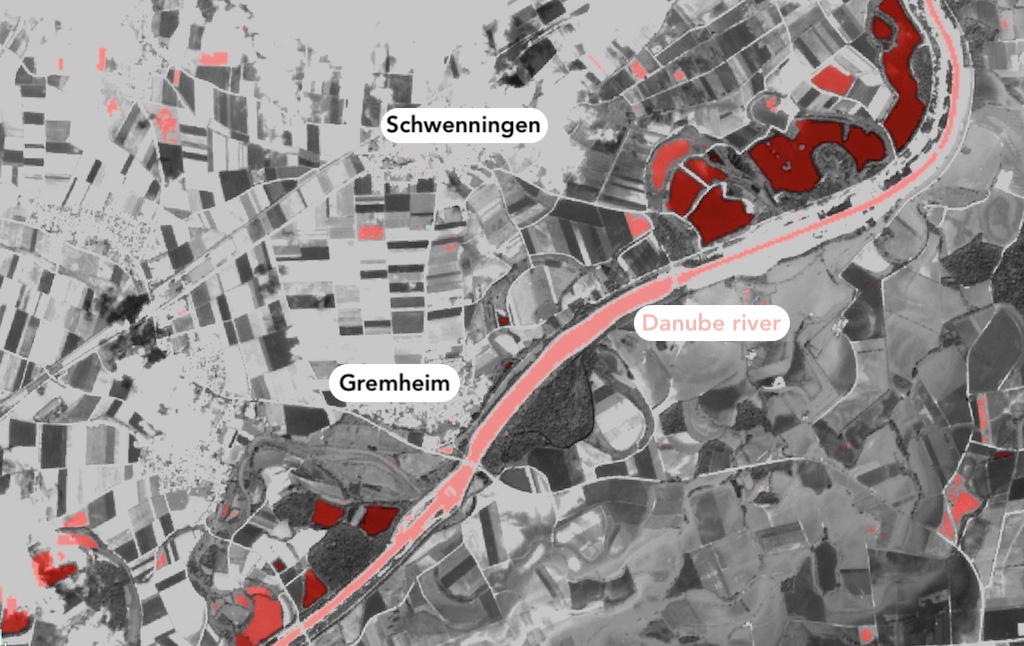
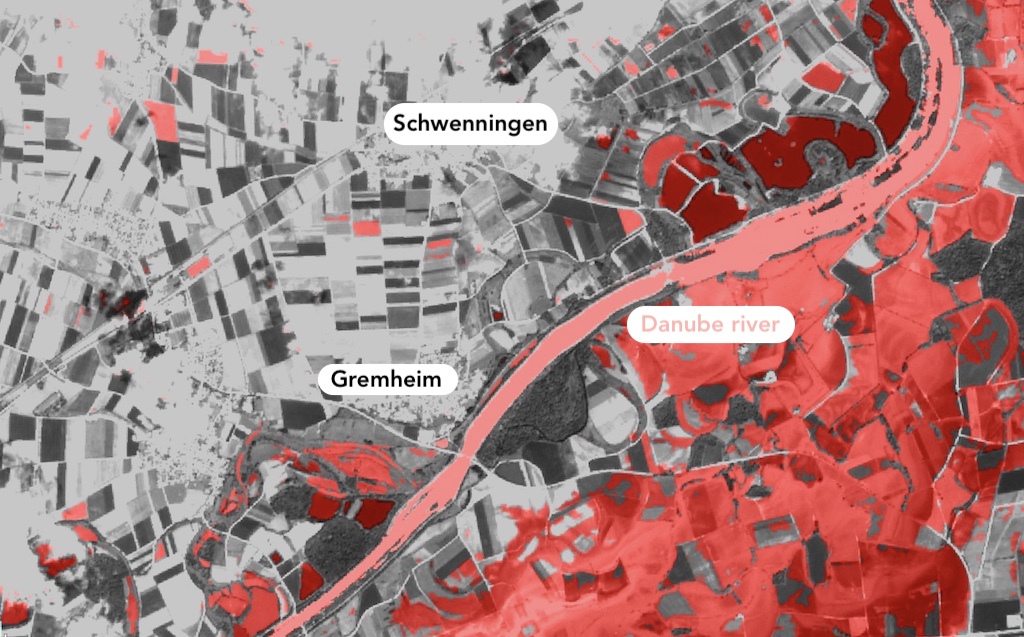
Proving a “direct link” can be difficult. In the Riedstrom region, Sebastian Frey was compensated for up to 80% of his crop losses, but most livestock claims were denied: “They say it cannot be one hundred percent proven that it comes from the flooding,” he explained.
His animals survived the evacuation, only for pneumonia to spread through the herd days later. Four cows died; 10 had to be slaughtered. Of the total €120,000 in losses, only €30,000 was covered.
"Apparently, they would prefer the animals to drown, and then the damage is paid, rather than me doing something in advance," he said bitterly.
The EU’s patchy support
At the EU level, too, support remains patchy. Compensating for flood-related animal losses is not a direct priority for Brussels, though support for farmers after the 2024 disasters existed.
Following that year’s floods Brussels disbursed €280 million to Austria, Czechia, Poland, Slovakia, Bosnia and Herzegovina, and Moldova through the EU Solidarity Fund (EUSF), to help affected regions restore livelihoods.
The European Commission also adopted measures in December 2024 providing additional assistance to small and medium-sized farming enterprises affected by natural disasters occurring after January of that same year.
This was a response to the floods and wildfires that swept across Central, Eastern, and Southern Europe.
The regulation aimed to deliver rapid, exceptional support through the European Agricultural Fund for Rural Development (EAFRD), channelled via national rural development programmes.
Under the scheme, national authorities were required to target aid to the worst-hit areas, setting eligibility criteria based on available evidence.
Assistance would consist of lump-sum payments of up to €42,000 per beneficiary, with applications approved by 30 June 2025 and payments completed by the end of the year.
But experts warn that the lack of common EU-wide eligibility standards leaves room for inconsistency: “There were no common eligibility criteria in this regulation that national authorities must follow. The rules will likely vary considerably from one country – or even one region – to another,” said Alice Di Concetto of the European Institute for Animal Law & Policy, reflecting a wider challenge in the EU’s Common Agricultural Policy (CAP).
The way forward
Despite systemic gaps, progress is possible. Romania demonstrates that local veterinarians’ networks can enable data collection, even if patchy.
In Poland, animal-rights’ nonprofits have jointly drafted a set of recommendations for the government. Their proposals call for integrating animals into crisis-management laws to protect them during emergencies.
Poland has also implemented an EU-backed scheme, through which the state covers 65% of livestock insurance premiums and crop policies including climate-related risks, like floods.
Animal insurance remains voluntary, but subsidies have boosted coverage, with insured livestock rising from 20.7 million in 2024 to nearly 23.9 million by mid-2025. Poland’s Ministry of Agriculture is now revising the insurance law to simplify access and expand climate-risk protection.
At the EU level, policy expert Joel Candel noted, “there is relatively little attention within the CAP to animal welfare. Disaster management for farm animals is largely absent."
As extreme weather intensifies, the gaps Candel highlights are not just policy oversights; they are risks farmers bear. Without mandatory animal loss reporting, rescue planning, and climate adaptation strategies that include animal welfare, livestock owners face preventable, mounting losses.
🤝 This report is supported by Journalismfund Europe

Do you like our work?
Help multilingual European journalism to thrive, without ads or paywalls. Your one-off or regular support will keep our newsroom independent. Thank you!