













Select a language
For years, cooperation between Europe and Africa has been described as a necessity. Far less often has it been examined for what it also is: a field of tensions, interests and asymmetries, where even well-intentioned projects can reproduce deep imbalances. Under the pressure of the climate crisis, that question has become more urgent.
Rainfall variability directly affects incomes, food security and the stability of rural communities. In this context, the question is not only whether scientific cooperation can produce useful tools. It is whether those tools can be developed with African researchers and communities, rather than simply for them.
A country dependent on rainfall
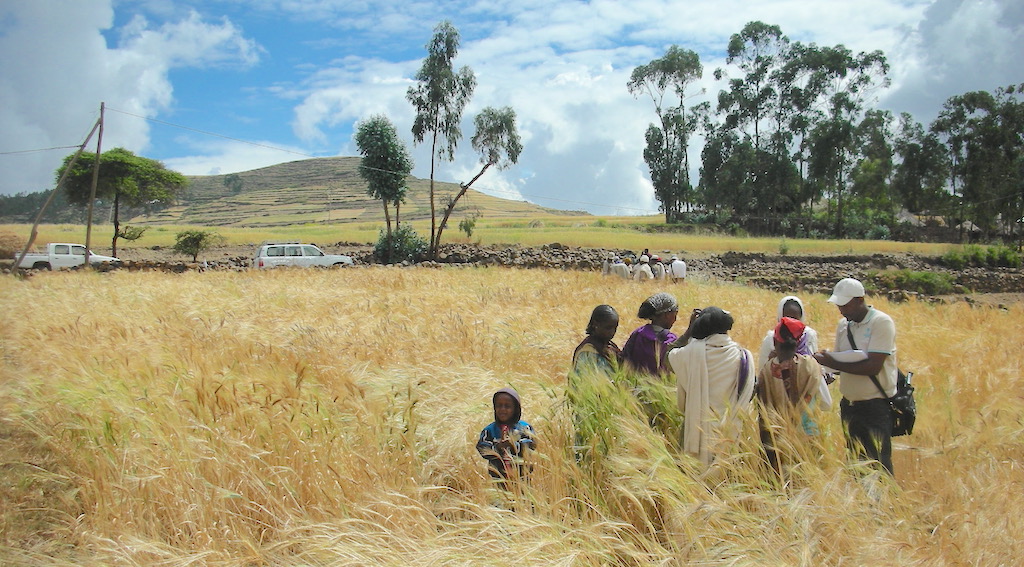
In Ghana, agriculture employs around a quarter of the workforce. Rainfall seasonality is not a technical detail: it determines when to sow, how much to harvest and whether a family eats. In recent years, however, this rhythm has become increasingly unpredictable. Rains arrive late, concentrate in abnormal periods, or fail to arrive when needed at all.
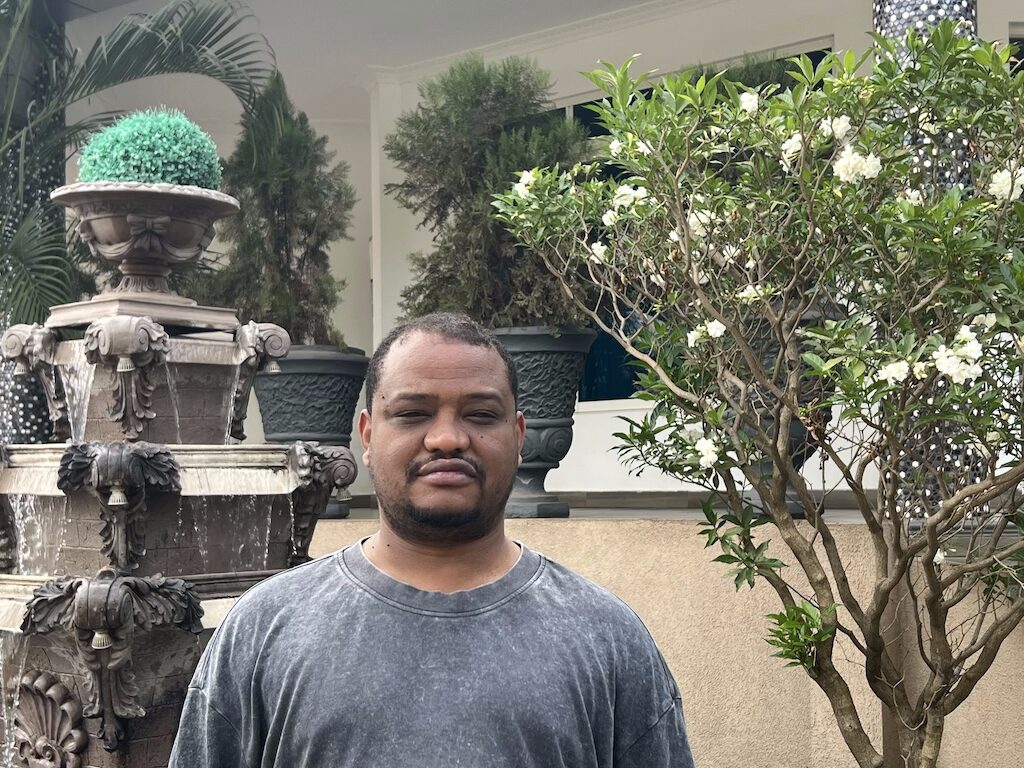
Gideon Agyapong knows this well. He is a master’s student in philosophy at the Institute for Environmental and Sanitary Studies at the University of Ghana, with a focus on sustainability sciences. His background is in sustainable development and climate action, and his perspective is explicitly political.
“In Ghana, the rainfall regime has been severely affected by climate change, with repercussions for farmers, food security and overall productivity,” he explains.
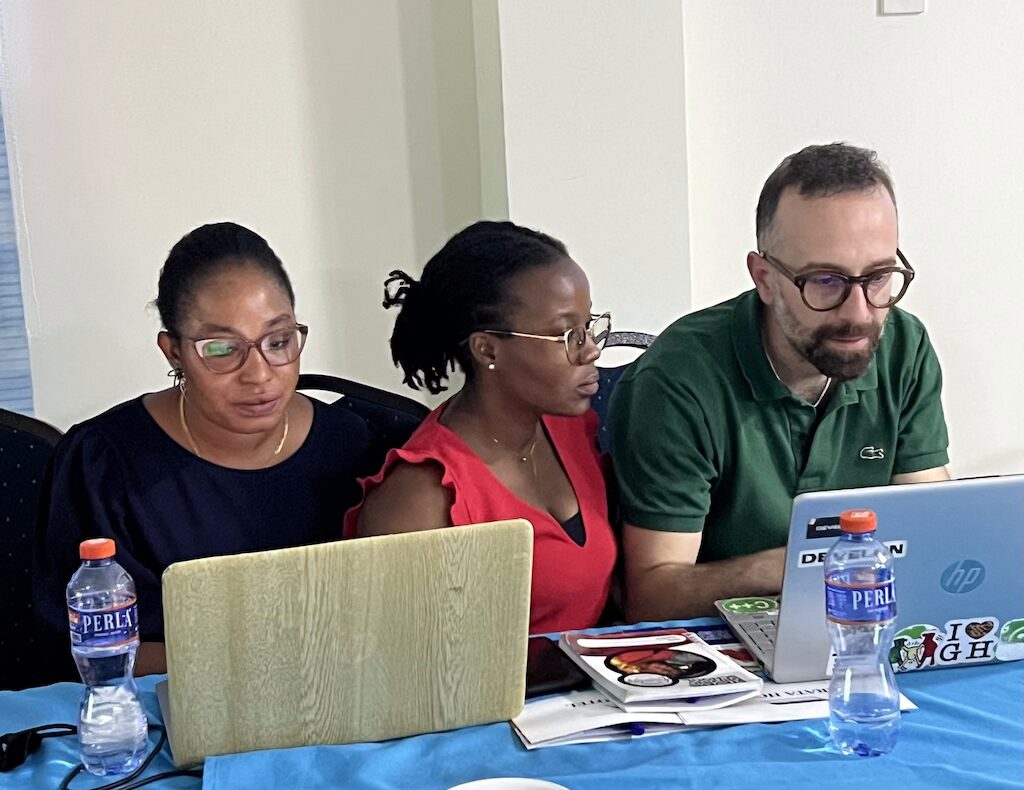
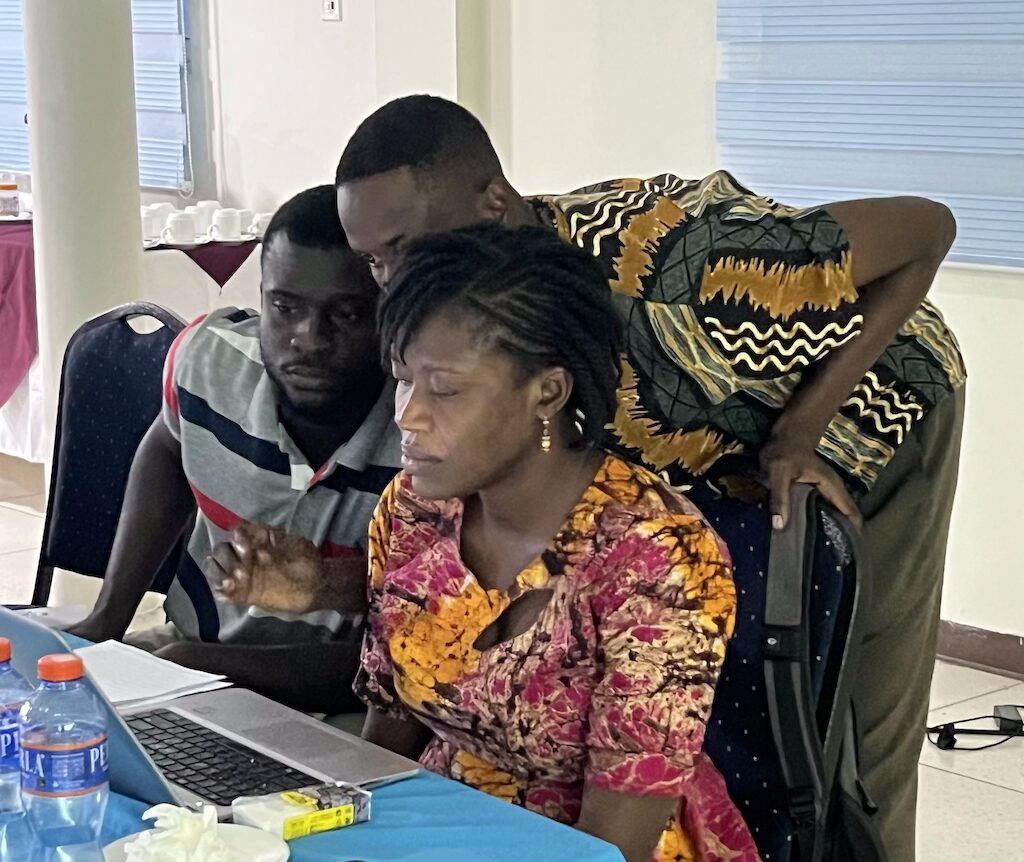
When he learned about the workshop organised by the Scuola Superiore Sant’Anna in Accra, he decided to take part with a clear objective: “I wanted to learn about the AquaBEHER tool and understand how it could be used to strengthen early warning systems for farmers.”
AquaBEHER does not simply ask whether it has rained. It asks whether enough water is actually available in the soil for crops to grow. To do this, the platform combines climate data, soil information and satellite observations into a practical indicator for farmers and researchers. The aim is to move from rainfall as a general climate measurement to water availability as a concrete agricultural question.
The platform sits between the needs of local communities and the work of researchers trying to respond to them. It is part of ESATRE, Enhancing Sustainable Agriculture and Transhumance Regulation in Ghana, a programme coordinated by the Scuola Superiore Sant’Anna. Its promise is practical: to help anticipate when planting is possible, where soil moisture is sufficient, and how climate uncertainty may affect rural livelihoods.
“Meteorological agencies define the start of the rainy season on a climatological basis. We introduce an agronomic definition: we are interested in knowing when water is actually available for crops,” explains Robel Takele Miteku, a PhD researcher and agrometeorologist who developed the tool.
The idea emerged from direct observation rather than theoretical hypothesis. The model took shape during research activities in Mozambique, where uncertainty over the onset of the rainy season emerged as one of the main constraints on agriculture.
“During work with local farming communities, it became clear that one of the main limiting factors was precisely the uncertainty about the start of the rains,” says Leonardo Caproni, a researcher in agricultural genetics at the Scuola Superiore Sant’Anna in Pisa.
The system was therefore designed to function even where data are scarce: few ground stations, strong reliance on satellite observations, and the need for simple but robust models. This logic was later adapted to the Ghanaian context.
When the tool meets its users in Accra
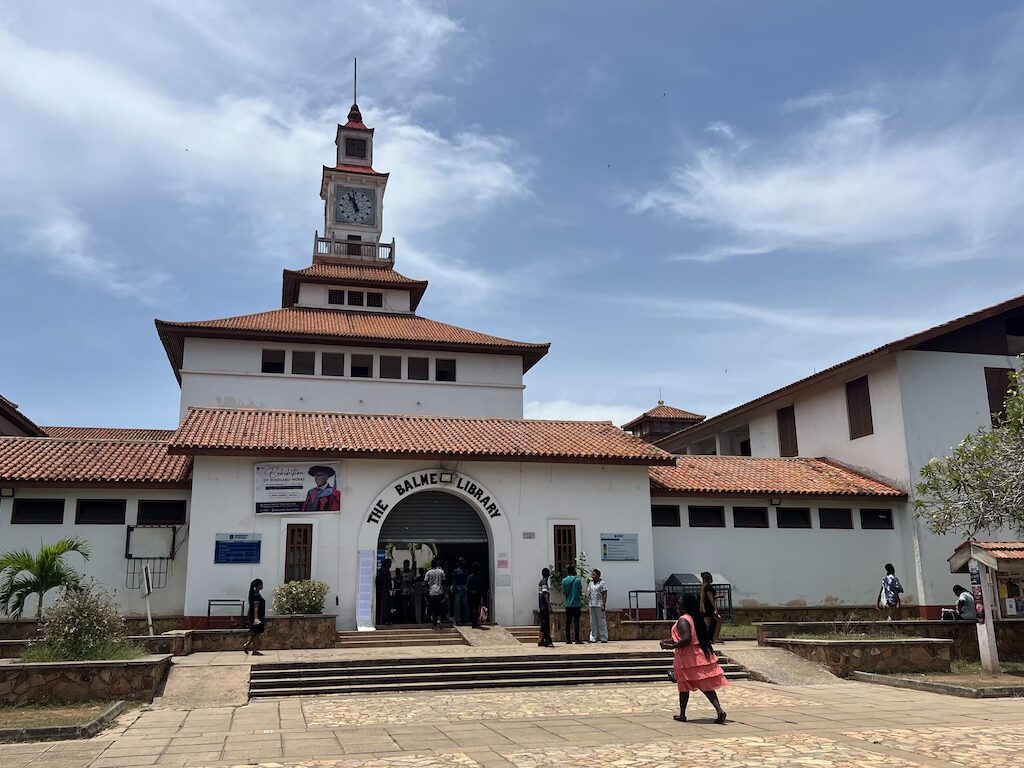
Last March, the Scuola Sant’Anna organised a workshop in Accra for students and young researchers from the University of Ghana, in collaboration with the national meteorological agency. AquaBEHER was tested on real datasets: planting simulations, soil moisture analysis and climate scenario assessments.
Students did not simply learn how to use the tool – they questioned it, discussed it and explored how it could be integrated into their research and local realities.
Gideon sees AquaBEHER as a way to support farmers and improve early warning systems. “My understanding of how data can be used to predict climate variability will shape the focus of my future research,” he says. “I look forward to further testing AquaBEHER in Ghana.”
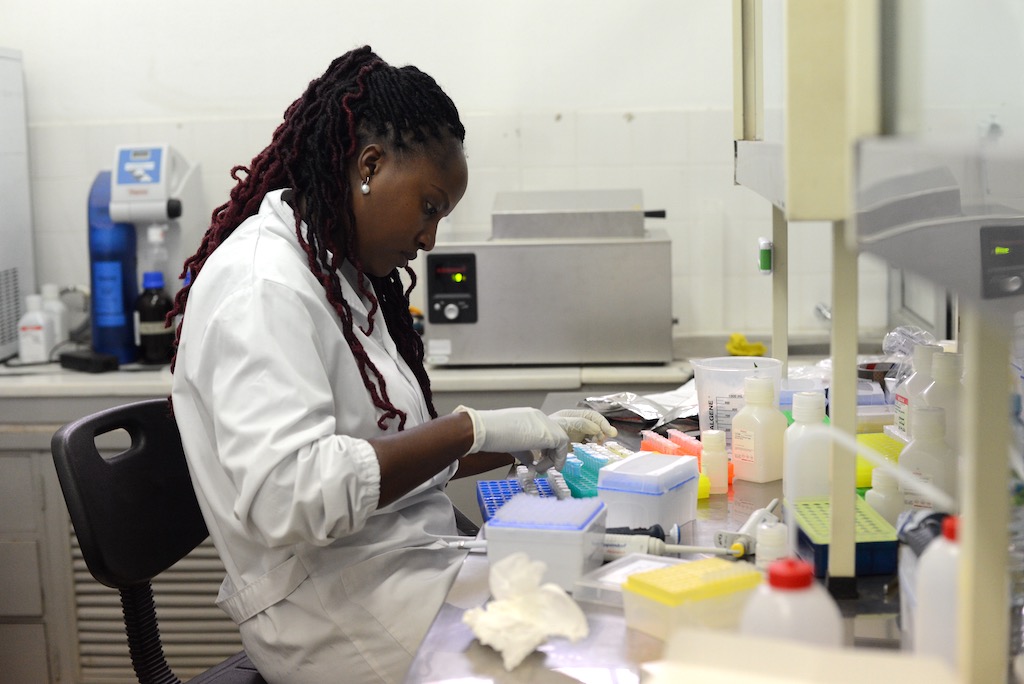
Mercy M., a researcher in environmental health at the University of Ghana’s Institute for Environmental and Sanitary Studies, looks at the same tool from another angle. Her work focuses on rural sanitation infrastructure – latrines, waste-disposal systems and household installations – where flooding can determine whether an intervention is viable or vulnerable from the start.
“I am considering using it in my next project,” she explains. “I work a lot on climate resilience in sanitation infrastructure. The idea is to use it during the feasibility stage, before interventions in an area: to understand where flooding risks will occur, for how long, and which zones are most suitable for installations.”
A tool designed for agriculture thus becomes something broader in the hands of those who know how to adapt it. This is one of the central tests of the project: whether technology designed through European-African cooperation can be appropriated by local researchers, reshaped by their priorities, and used beyond its initial purpose.
Pastures, borders and climate-driven tensions
The project extends beyond agriculture. In northern Ghana, pressure on water and pastureland directly affects relations between farmers and herders. Transhumance, made more uncertain by climate variability, increases the risk of overlapping resource use and, with it, the potential for conflict. ESATRE therefore integrates modules to estimate pasture biomass using AquaBEHER, supporting the planning of herd movements.
“We decided to work on this aspect as well because in West African coastal countries it is a poorly considered sector, both in terms of projects and funding,” observes anthropologist researcher Martha Populin. “Yet it remains an important component of the diet.”
This is an area that often remains outside public debate, overshadowed by media coverage of illegal mining and its devastating environmental and social impacts. Yet pastoral associations and institutions linked to transhumance are showing cautious but genuine interest in tools that can make movements more predictable. Knowing in advance where pasture will be available and for how long could reduce overlaps, ease local tensions and relieve pressure accumulating along community boundaries.
But information alone is not a solution. “Governance must be carefully designed,” Populin warns. “If poorly managed, this information can lead to too many herds concentrating in the same place, causing crop damage and new tensions. If well managed, it can contribute to greater stability.”
“It is not just an agricultural issue. It is a social and political one,” adds Leonardo Caproni. “When resources are limited, tensions increase.”
Cooperation as an open-ended process
ESATRE is part of AfricaConnect, an initiative launched within the Scuola Superiore Sant’Anna in July 2021 to coordinate research and training activities carried out in Africa for over a decade. Funded by the Italian Ministry of Foreign Affairs and International Cooperation, it is also part of a wider European question: how to build scientific partnerships with African institutions without reproducing old hierarchies of money, expertise and data.
Luca Raineri, a researcher in international relations and security studies with over a decade of experience working in Africa and a focus on conflict dynamics in the Sahel, explains what this means: “We realised it is useful to bring more heterogeneous tools into the same projects in order to obtain a more comprehensive view of the origins of these conflicts, and to imagine possible solutions.”
“Years of research on the African continent suggest the need to connect different disciplinary skills and languages. In particular, climate change is one of the areas where collaboration between social and natural sciences is most urgently needed to fully understand what is happening”, he added.
The project also unfolds at a time when Italy is trying to redefine its political and economic relationship with African countries through the Mattei Plan. That context matters. European researchers – especially Italian ones – can be perceived not only as academics, but also as representatives of broader political or economic interests. For research partnerships, trust is therefore not a secondary issue. It is part of the work itself.
Yet this approach is not without friction. Within academia, evaluation systems and funding structures continue to reward highly specialised paths. “It is very difficult to find outcomes from the same research that are truly rewarding in the short term for everyone involved,” Raineri notes.
Challenges extend beyond universities. Building genuine partnerships with African institutions means confronting structural asymmetries that are hard to ignore, if not outright forms of subtle neocolonialism.
“The most skilled African researchers are often recruited by European or American universities,” Raineri explains. “Local institutions sometimes lack international relations offices, registration systems and adequate technical structures, and there is a risk of reproducing a division of labour in which African colleagues collect data while we provide theoretical analysis.”
There is also the issue of political perception. European researchers – especially Italian ones, at a time when the Mattei Plan for Africa has increased strategic attention to the continent – are often seen as representatives of political or economic interests rather than independent scholars.
“We are not representatives of the Ministry of Foreign Affairs, we are not an instrument of Italian foreign policy,” Raineri clarifies. But making this understood is not easy, “especially when research touches sensitive issues – conflicts, security, energy security, or plant DNA – all of which can clash with concerns over sovereignty, data protection and digital sovereignty.”
Despite these difficulties, scientific cooperation remains one of the most vital spaces of dialogue between Europe and Africa. While relations between the European Union and the African Union face a difficult period, academic and research collaboration continues to show a level of convergence that has weakened elsewhere.
There are still fractures – visa rejections for Erasmus students, institutional asymmetries and the everyday challenges of making cooperation work in practice. But it is precisely in these points of friction that the unfinished nature of equality in research becomes visible – and where the importance of continuing to build it is most clearly felt.
Do you like our work?
Help multilingual European journalism to thrive, without ads or paywalls. Your one-off or regular support will keep our newsroom independent. Thank you!


