












Select a language
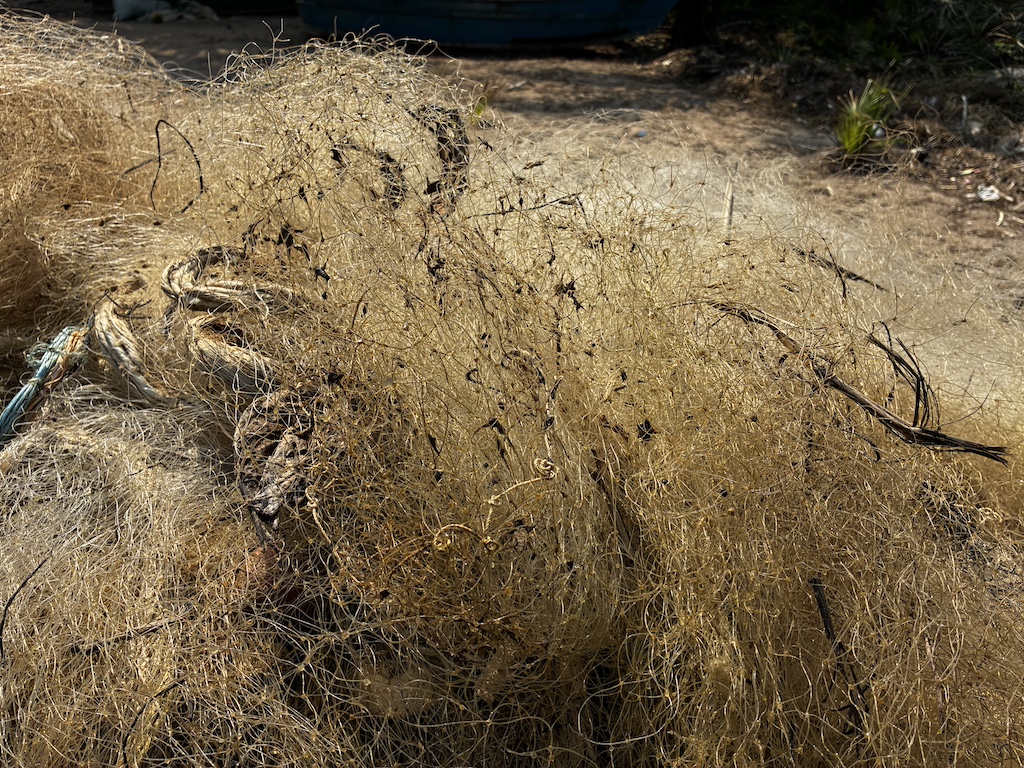
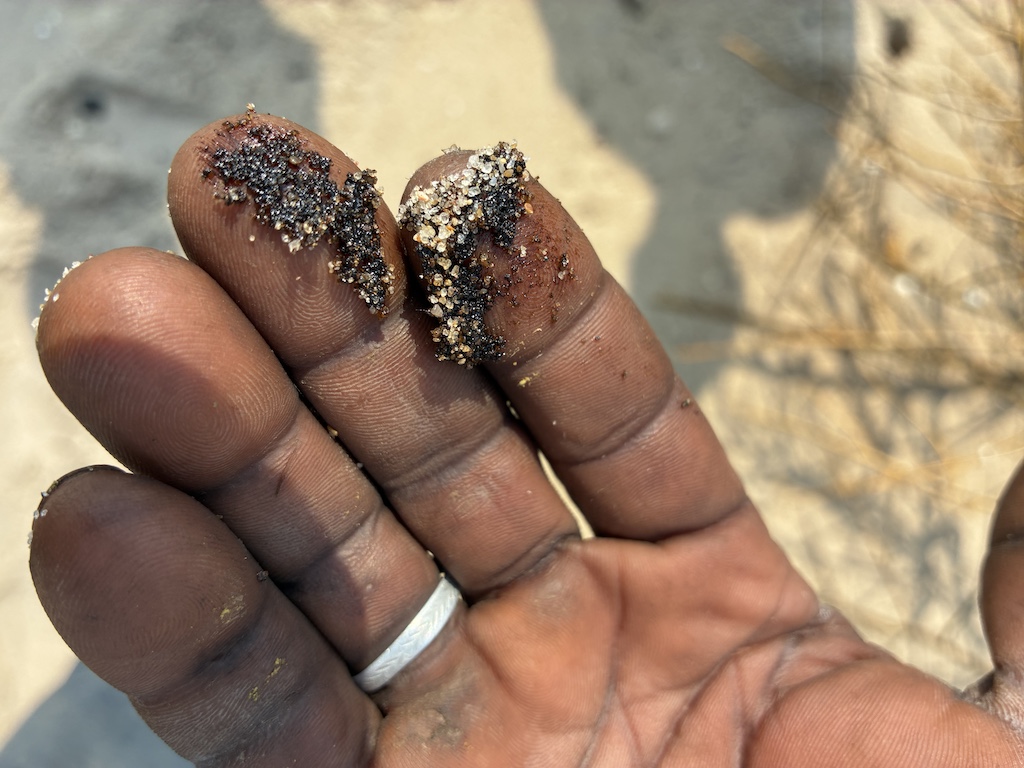
It took fifty people to drag the net out of the sea. Not because of the catch – there wasn’t one. But because of the weight of the oil. Thick, dark brown crude had soaked into the mesh until it took the combined effort of nearly the whole community – men, women and children – near Soyo, on Angola’s northern shore, to haul it up onto the beach.
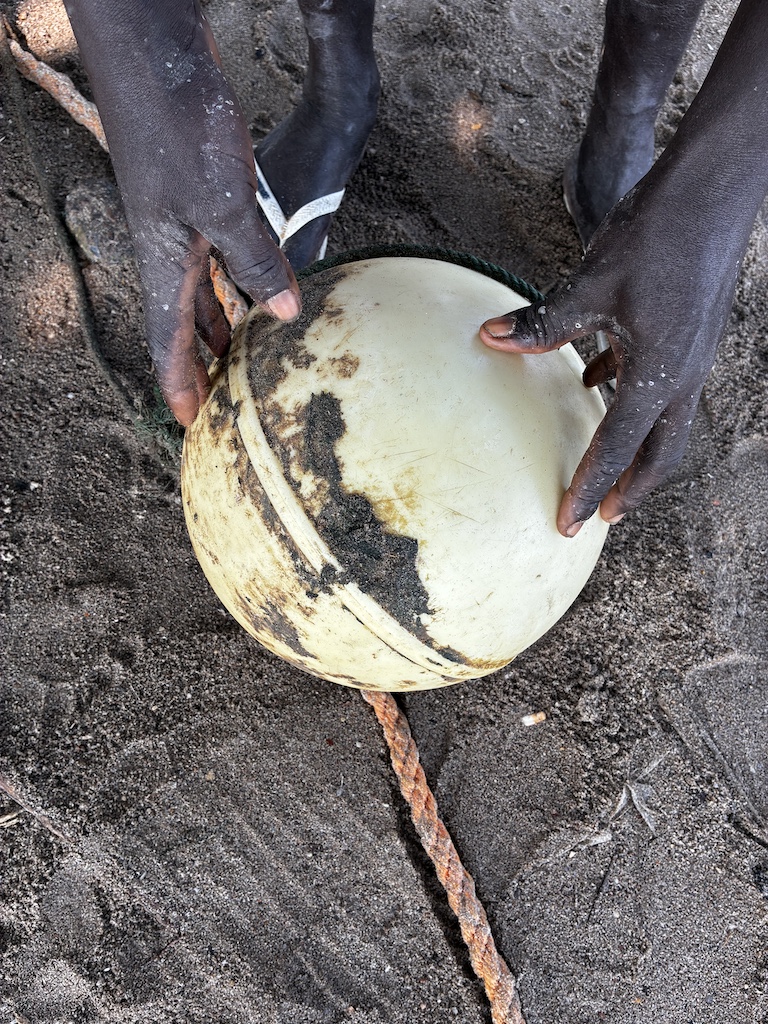
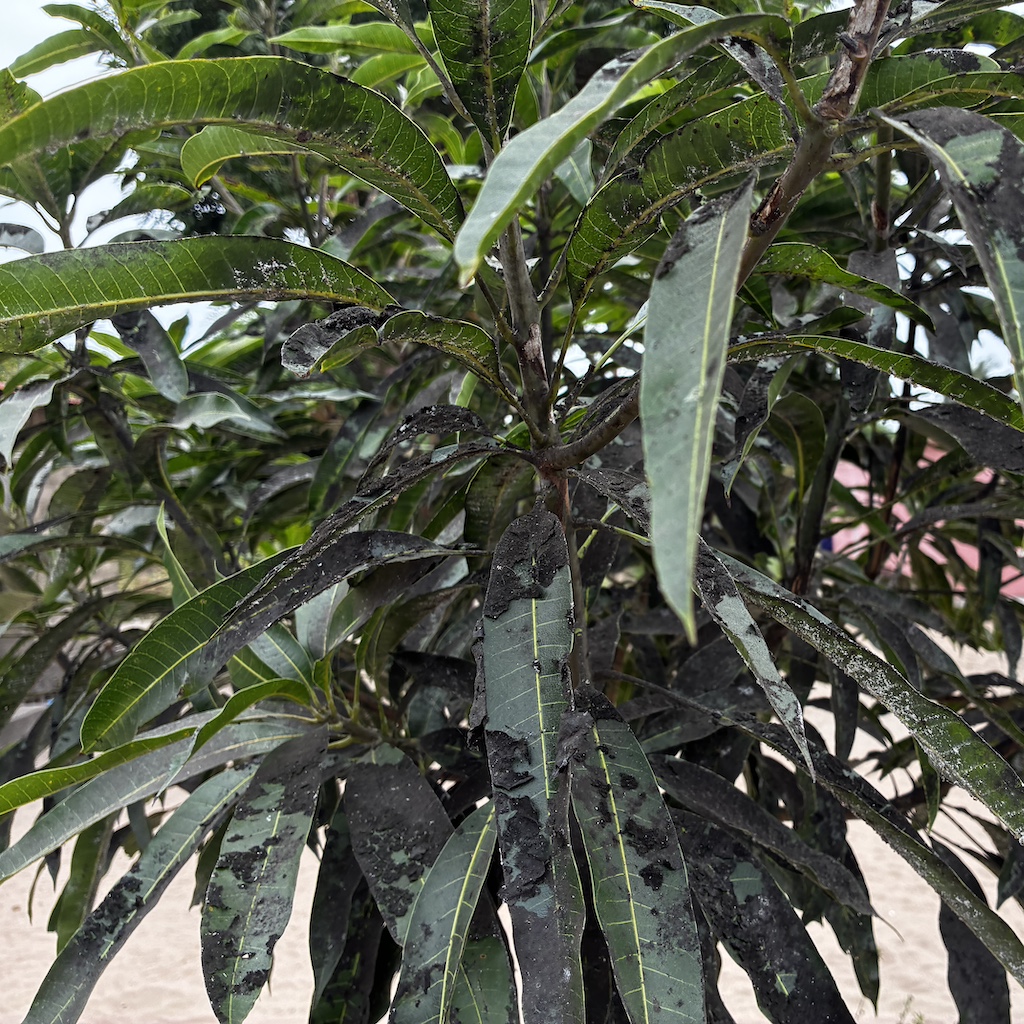
“This isn’t ok. It’s a disaster!” a young woman can be heard shouting in a video of the net being hauled out. We meet Manuel and Raoul*, two fishermen, on the very same beach where the footage was filmed. Patches of oil still stain the sand, alongside plants yellowed and coated in crude. Dead crabs littered the sand. “Every time there is malemba [choppy water], it brings oil to the beach,” Raul, one of the fifty, said. It has been this way for years – and for the fishermen who have worked these waters their entire lives, it’s only getting worse
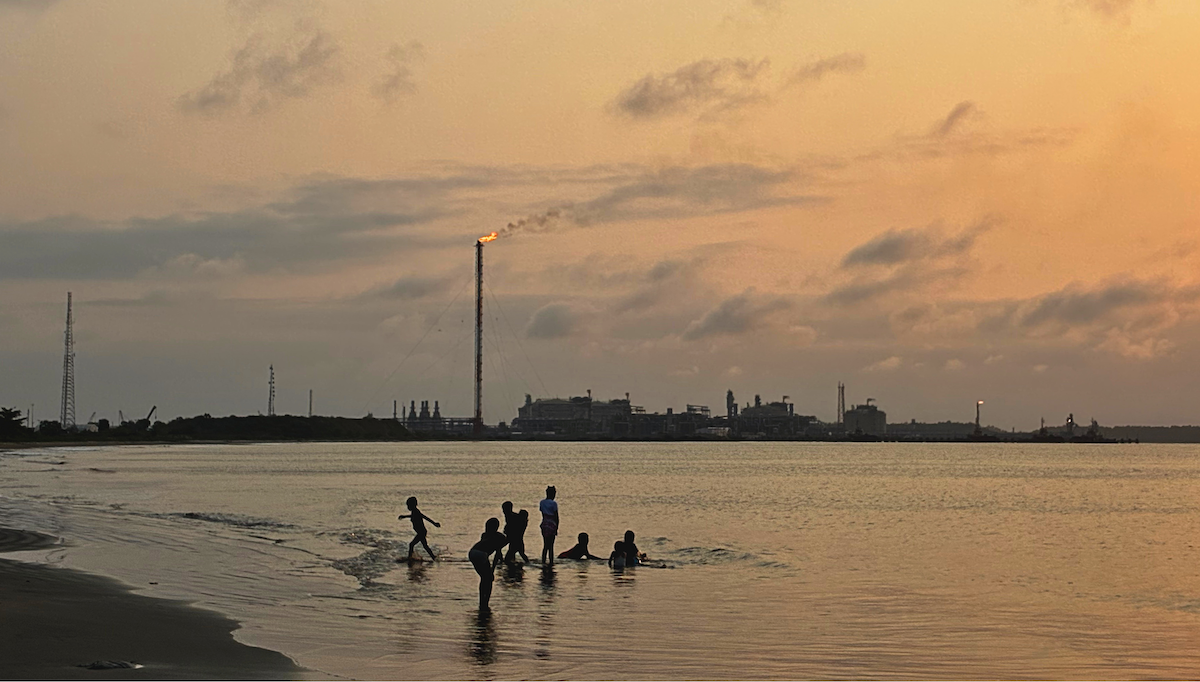
For 13 years, European, British, and US tankers have filled up on Angolan crude oil and left behind a trail of what residents describe as systematic, routine destruction. One small patch of Angolan seabed – Kizomba A in Block 15, operated by ExxonMobil and co-owned by BP (UK), ENI (Italy), Equinor (Norway) and Sonangol (Angola) – has cumulatively spilled oil across an area covering at least the size of Montenegro, according to our satellite imagery analysis.

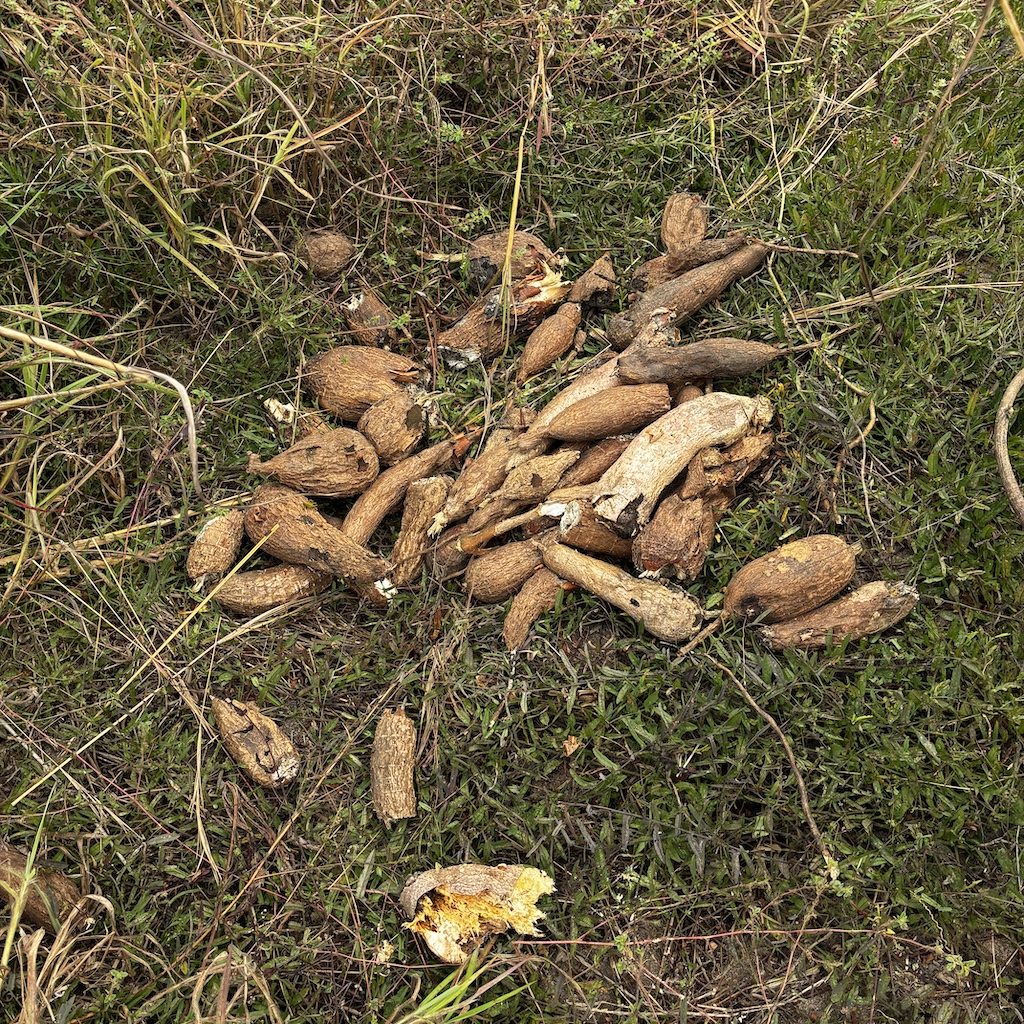
The oil clogs the fishing nets. It blackens cassava, oranges and bananas, and dries the coconut trees. It poisons the fish that the communities in the northern provinces of Zaire and Cabinda depend on to survive, and still, sometimes they eat it, because the alternative is going hungry. Many go for days without eating while others feel they have no option but to eat the toxic food, exposing residents to potential carcinogens and gastrointestinal distress. The toxic hydrogen sulfide released by the oil extraction activity permeating banana crops is also a breathing hazard. Its sulphurous, rotten-egg odour causes nausea and vomiting.
Despite complaints from multiple coastal communities in Zaire and Cabinda, the spills continue.
The scale of the problem
Satellite imagery shows no trace of oil leaks before the Kizomba A platform was installed in 2002. The first signs of oil on the sea surface seem to appear in 2003 when extraction began. Sporadic sightings continued until 2007, when medium-sized spills started persisting for weeks at a time. By 2013, they had become permanent.
Since then, a minimum of 19 barrels of oil appear to have been dispersed across 3 km² every day in Block 15, according to the satellite imagery. Throughout this period, this represents a cumulative total of around 90,000 barrels or 14,235 m³ in the most conservative scenario – a disaster comparable to the 1999 Erika tanker sinking.
A scenario the expert consulted deemed “possible” sets the spill at equivalent to 711,750 m³ or around 4.5 million barrels, which is very close to the spillage of the Deepwater Horizon offshore rig disaster. He also warns that satellite analysis can detect the oil spill surface but not its thickness, that the spill could even be larger than that, and that the examples mentioned refer to sudden oil releases, while the case we are observing extends over a period of 13 years.
The gap between this and Angola's official record is stark. Based on seven years of data, the national oil and gas agency ANPG reports an average of just 450 spilled barrels a year, across every offshore block in the country. That is a fraction of the minimum figure estimated for Block 15 alone. Neither ExxonMobil nor its partners report spill volumes broken down by country, making independent verification difficult, – satellite analysis has become one of the only tools available to communities and researchers.
“The analysis shows abundant evidence of a persistent oil discharge that, based on satellite imagery, is very likely man-made,” said Oscar Garcia, a geoscientist and founder of Water Mapping LLC, who reviewed the findings. “Driven by surface currents and wind, a persistent spill like this can definitively reach the shoreline – a scenario we have seen play out almost identically in the Gulf of Mexico and California.”
“Our inspections found no evidence of operational anomalies, equipment failures or loss of containment from Block 15 facilities that would account for the observed sheen or alleged impacts”, a spokesperson for ExxonMobil said. The company attributes the spills to a natural seep: “Natural hydrocarbon seeps are present across Angola’s offshore waters and predate ExxonMobil’s Block 15 operations,” he added. “Surveys identified naturally occurring seeps approximately one kilometer north of the Kizomba A facilities that are consistent with the observed sheen. ExxonMobil has engaged the appropriate authorities and continues to monitor the area and evaluate available data.”
The oil company did not reply to our request for an oil sample from the spill site. This testing would have allowed independent scientists to verify its natural-seepage claim.Residents’ own memories track closely with the satellite record. They recall the biggest spills occurring in 2003, 2005 and 2025 in Cabinda, and in 2020 near Soyo, with smaller spills a near-constant presence in between. “Even our fathers who stopped dealing with this problem died,” said José, a fisherman from Cabinda. His fellow António, reflecting on 52 years spent fishing these waters put it more bluntly: “We have had oil extraction and spills since 2003 and now we are in 2026. The issue here with the fishing is this, here we are well fucked up”
Analysis of prevailing wind and current data around Block 15, supports the residents' testimony that a portion of the detected spills likely travel to the shore.
Who’s responsible
Despite this record, ExxonMobil and its partners were granted an extension to its production license for Block 15 last year, keeping the field operation until 2037. “And how are we going to cope?,” asked Zaire fisherman Pedro Neto, as the group of fishermen put their hands in their heads when they heard about the extension. “How will we deal with all this oil?”
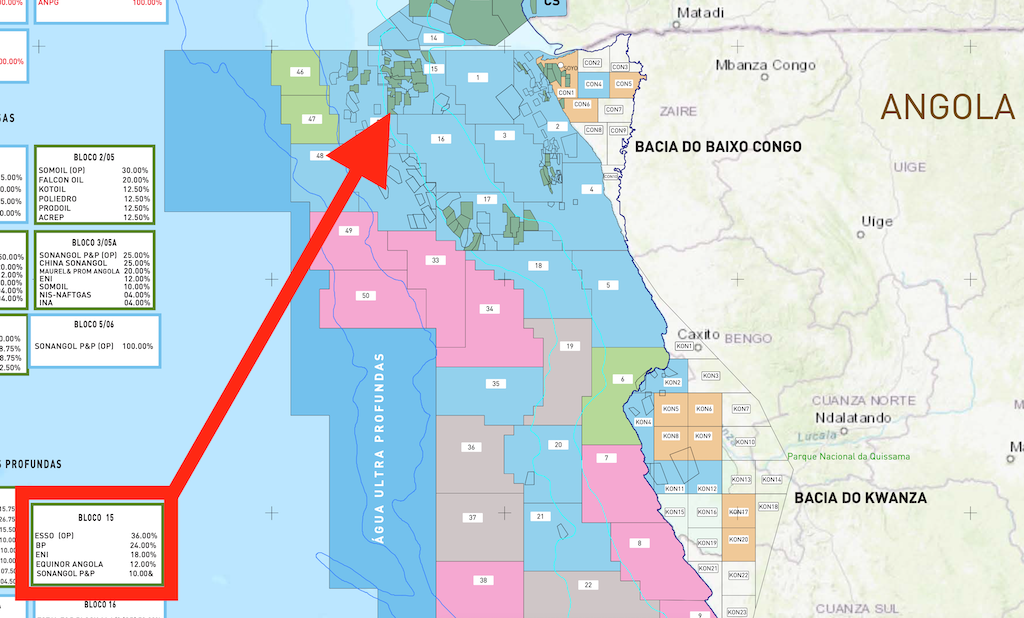
Block 15 is just one of at least 14 offshore blocks currently in production along Angola’s coast. Residents believe the cumulative effect of all this activity is causing spills that often cannot be traced to a single source. US-based Chevron, which operates Block 0 off Cabinda, is part of this wider pattern and has been involved in responding to spills in the area. Together, Blocks 15 and 0 account for nearly 30% of Angola’s total oil production capacity, according to 2025 ANPG data, making them a central pillar of a petrostate still heavily dependent on crude’s economy.
Oil: a wealth that doesn’t trickle down
As Africa’s third-largest producer, Angola’s economy is deeply reliant on fossil fuel extraction. “The Angolan economy moves in rhythm with the oil industry,” said economist Carlos Rosado Carvalho. “If the oil industry is doing well, the economy thrives. If the oil industry struggles, the whole economy suffers.”
The country pumps just over one million barrels of crude a day, generating 60% of all government revenue. Yet that wealth barely touches the people living alongside it: more than 53% of Angolans live on less than $3.65 a day, the World Bank’s poverty line for lower-middle-income countries.
In Soyo and Cabinda – the regions that generate the bulk of the nation’s fossil wealth – long queues for fuel are commonplace: “We might wait for up to three hours,” says one local resident. The government caps the official price at 420 kwanzas (€0.40) through subsidies, but stations routinely run dry, and when they do, residents turn to a black market where the same fuel can cost triple the official rate. In the remote, road-isolated villages further along the coast, prices climb higher still. The very resource residents struggle to buy is the same one thought to be destroying their fisheries and crops.
The oil extracted from these waters does not all stay in Angola. At least 13 countries – including China, India, the United States, Canada, Spain, and Italy – have received shipments, with more than 370 million barrels sent to refineries and installations across Asia, North America and Europe over the years these spills have occurred, according to Kpler trade data.

The trade network
Kpler trade data we have analysed show that ExxonMobil, BP and Equinor have sold and shipped millions of barrels of oil from the block. Buyers have included BP, Sinopec, IOC, Sinochem, Nayara Energy, Repsol and Petronas. TotalEnergies, Shell, ConocoPhillips, Sinopec and Sinochem have acted as charterers.
Two of the traders involved carry a documented history of bribery convictions. Trafigura, which charterered cargoes from Block 15, was convicted in Switzerland last year over bribery used to secure access to Angolan oil. Glencore continued chartering cargoes after pleading guilty in US courts to foreign bribery and market manipulation charges tied to its West African operations, and paying resulting fines.
Block 15 predominantly produces medium sour crude, most commonly processed by refineries in Asia. From Angola’s Hungo/Chocalho port, tankerscargoes have travelled to India and China, including to facilities linked to large flows of discounted Russian crude, such as the Vadinar Refinery and Sinopec Tianjin plant, and to the Rizhao plant, that has separately handled sanctioned Iranian oil (1)
Offshore activities threaten a rich and varied marine ecosystem. Small pelagic fish, including Cunene horse mackerel, account for most of Angola’s commercial catch, while larger migratory species such as tuna also pass through its waters.
Beyond commercial fish stocks, these waters harbour manatees, dolphins and humpback whales migrating towards breeding grounds off Gabon. Demersal fish are also widespread along the coast in waters less than 200 metres deep, while endangered sea turtles inhabit coastal waters and rely on the adjacent shoreline for nesting.
Angola’s coastline encompasses important habitats, including mangroves and seagrass beds, with cold-water corals found farther offshore. At least eight species are associated with the area’s mangroves, two with its seagrasses and two with its cold-water corals.
The Angolan “carbon bomb”
The oil and gas sector accounts for over 80% of Angola's domestic CO2 emissions, and its global climate footprint extends further still once exported crude and is burned abroad. Carbon dioxide (CO2), the most abundant greenhouse gas responsible for global heating, accounts for roughly two-thirds of greenhouse gas emissions and according to the Intergovernmental Panel on Climate Change is primarily produced by the combustion of fossil fuels.
Over its operational history, Block 15 has unlocked an estimated four billion barrels of oil equivalent. Accounting for the full lifecycle emissions of these reserves (extraction through combustion) gives the project a global climate footprint exceeding one-gigaton – one billion tons – threshold required to classify the project as a "carbon bomb."
"The greenhouse gas emissions of a carbon-bomb sized country like Angola are huge" said Kjell Kühne, director of the NGO Leave It In the Ground Initiative (LINGO). “A single oil field like Block 15 over its lifetime can generate as much CO2 as major industrial economies like Germany or the UK emit over several years”.
‘There are days we do not even eat’
For everyone who lives along this coast, the consequences of that gap are measured in kilos of fish, not barrels of oil. “There are days that we do not even eat… every single day we are at the sea,” said João. “We used to come home with 30 kilos of catch. Three days ago I came back without any fish.” Sardines and corvina, once staples, have “drastically decreased”. “When there is a ‘normal’ spill for three to four days, we do not get fish, but now since 4 June [less than a month before our visit] we have not had any fish,” Raul added.
The two Cabinda communities experience the same issues. “After [one] spill we couldn’t fish for three months, the sea was not well,” fisherman José said. Fishermen from another Cabinda community explain that sometimes their catches are already dead or smell of oil when cut open, but they eat it anyway.
When fish is scarce and the crops are ruined, the community looks to cassava leaves for protein. Kizaka, an Angolan stew of pounded cassava leaves, oil and peanuts are a staple for many during these periods. But even that fallback is not reliable: “Our fields are rotten… When we collect it, it is often already rotten, with insects inside and this fermented smell,” João said, echoed by the Cabinda residents. In another Cabinda community, they say oranges and tangerines no longer grow at all.
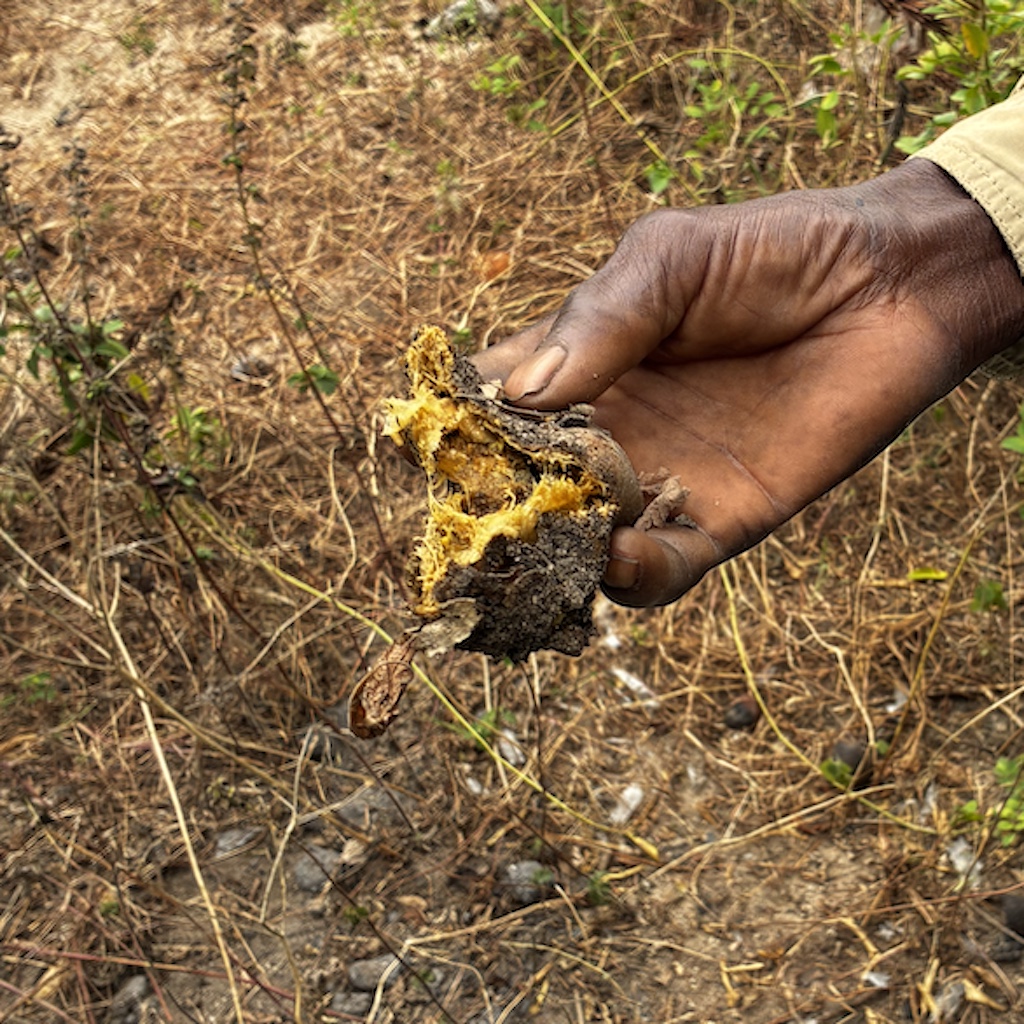
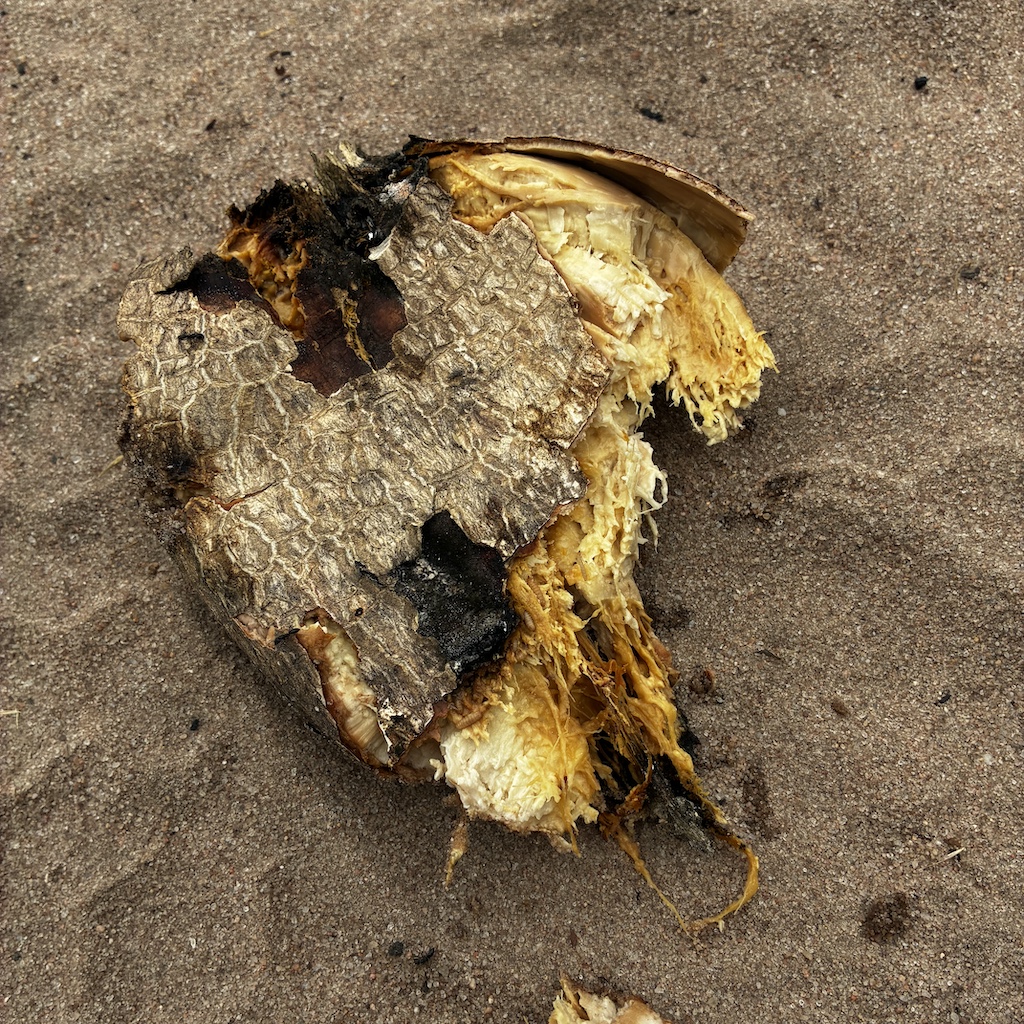
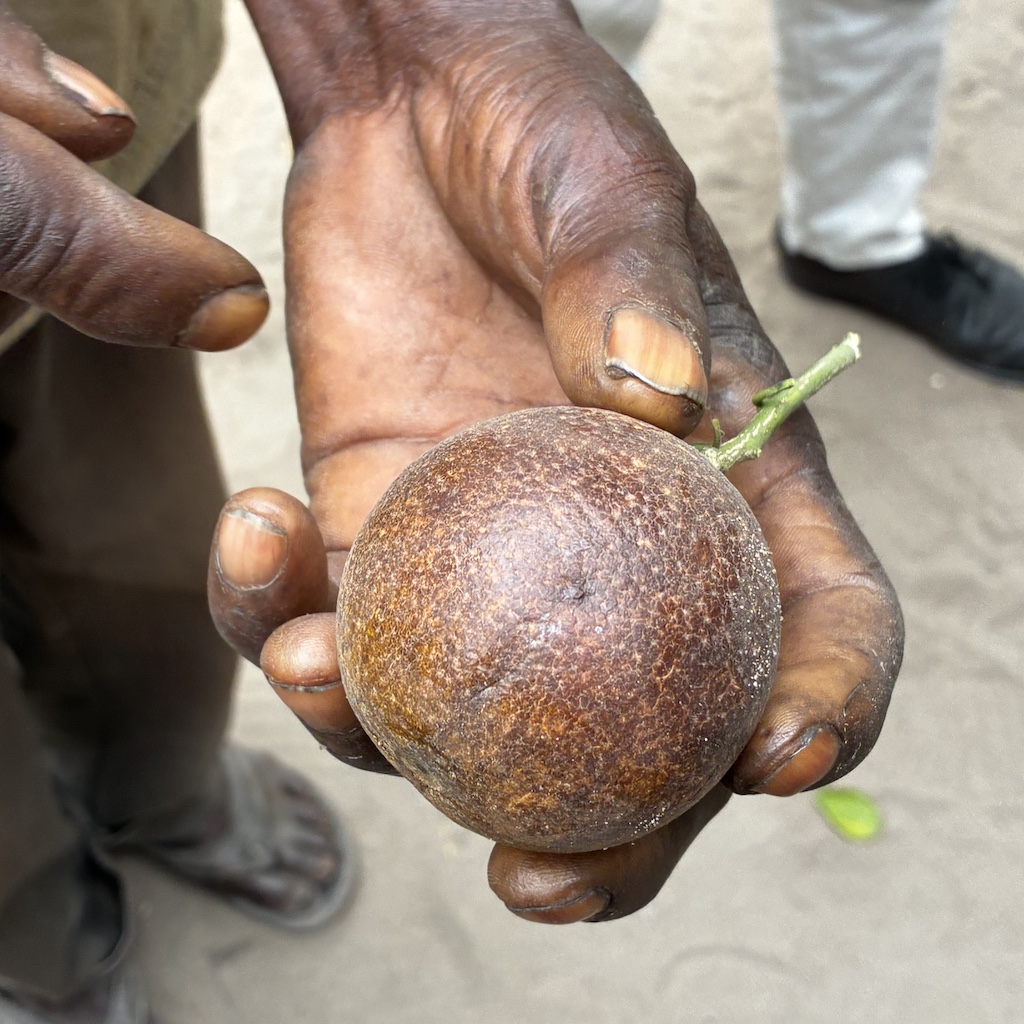
Limited nutrition is exacerbated by no access to clean water. “Water here is only suffering,” added Pedro Neto. “We have not had distribution of clean filtered water for five years, we drink water directly from the river.”
The health toll
Nurses in Zaire and Cabinda’s former health secretary told Voxeurop that patient registries showed increases in flu, skin infections, malaria and gastrointestinal illnesses – increases they linked to oil pollution during both hot and cold seasons. “When a spill is observed in water, there is a higher frequency of flu, acute diarrhoeal diseases and vomiting,” one nurse told us on condition of anonymity, showing patient registries. “Their lives depend on the sea.”
They linked gastrointestinal illnesses, including food poisoning, to the consumption of polluted fish on which communities depend; skin infections were associated with polluted seawater. “Since we are entering water that is constantly polluted, we see some bubbles on our skin, but we need to access the water anyway. What are we going to do?” Cabinda resident Paulo said. Fever, constipation, coughing and diarrhoea-related dehydration were also common, with children experiencing the most severe symptoms, according to the nurse and the health official.
Dr. Carlotta Tati, former Cabinda health secretary – who resigned over what she described as corruption and misuse of public resources – said she has observed a rise in cancer cases that she connects to oil extraction, adding that state authorities do not formally track this data. She now works in a private clinic and aspires to research health issues affecting Angola. “For a long time now, no one has been studying the causes of these cancers, but there’s a very high incidence here,” she told Voxeurop.

She described elevated rates of liver cancer rates which she associates with contaminated food, and lung cancer among long-term oil workers. “Here, 41-year-olds are dying of it, and we are not a population of smokers.” It should be noted that no epidemiological study has established a causal link between local oil extraction and these cancer rates in Angola; Dr. Tati's observations reflect her clinical records, which she cannot disclose, rather than a formal public health investigation.
“Our ocean is so polluted that I personally don’t swim in it,” she added. “The kids like going to the beach, but they constantly suffer from skin conditions. Our sea isn’t clear and blue, it’s brown, murky water. Many people have skin problems, and sometimes we've also seen some cases of skin cancer here.”
But in Cabinda, access to healthcare is limited. Residents say the local health point is available for consultation but not the testing needed to determine the correct medicine. “Sometimes they give us medicines without testing,” Francisco said. “But it doesn’t work like that, you must do the testing to get the right prescription… We cannot rely on the healthpoint, everyone must do his own effort to get health through private clinics.”
Residents in both Zaire and Cabinda provinces describe a more immediate, physical toll from the pollution itself: the smell. “Even if we are far in the forest, we can smell it, usually around 3/4pm. It is the usual smell of rotten eggs, it makes us sick in the stomach,” said Francisco. Nevertheless, they go on working. “Our energy continues. It must continue.”
The Say-Do gap
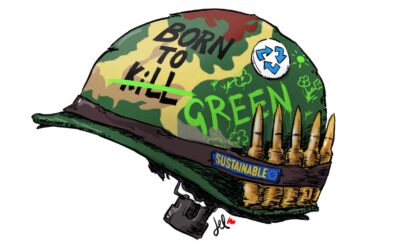
The companies operating these waters describe their safety records in absolute terms. Several thousand kilometers off the coast of Angola, the Texas-based company ExxonMobil claims to have a “zero-spill mindset.”The language is unambiguous: “Nobody gets hurt.” Equinor states its “vision is zero harm.” In the UK, BP claims “no accidents, no harm to people and no damage to the environment.” In Italy, ENI works to “reduce accidents to zero and safeguard people, the environment and assets.” Chevron’s Angolan subsidiary, Cabinda Gulf Oil Company, lists “Protecting people and the environment” among its core values.
Angolan law does not leave this to voluntary commitment. Executive Decree N 11/05 requires that every spill over one barrel – or any significant environmental impact – be reported. All companies must have spill prevention plans and take “appropriate and effective measures” to control and clean up any spill, including “seeking assistance from other oil companies” if needed. Companies that fail to comply, face fines between $5,000 and $500,000, or suspension from extraction activities altogether. All owner companies of a block – not just the operator – are jointly and severally liable. The enviornment, petroleum and fisheries ministries are jointly responsible for oil spill preparedness and response, while ANPG is responsible for regulatory compliance and oversight over all petroleum operations.
Against this legal backdrop, the companies’ own sustainability filings describe remarkably clean operations. In its latest sustainability report, ExxonMobil declared zero vessel-related oil spills globally, alongside an average of 267 annual spills from land-based, fixed, or non-ship sources incidents across its worldwide operations over the last five years, while it declares 0 spills coming from its marine vessels.
Eni reported just 10 unintended spills from its non-operated fields – where it holds a financial stake but leaves daily operations to to an operator – globally across 2024 and 2025, amounting to 321 barrels. BP declares 110 oil spills in 2025 of which it contained 57. Equinor reports an incident indicator, reporting a general 0.58 indicator of monthly “frequency of oil spills and gas leakages”. Neither BP, Equinor, nor ExxonMobil specify whether these are for non-operated and/or operated activities. For 2025, ANPG reported just 20 barrels across three incidents nationwide. (2)
This gap between the spills reported by oil companies and ANPG is partially due to how European companies are required to report. The European Sustainability Reporting Standards require EU companies to disclose environmental and governance impacts, but not universally, at country level instead. "Location-specific disclosure of releases is not a universal obligation," the European Financial Reporting Advisory Group (EFRAG) confirmed to Voxeurop, adding that this level of detail is required only when a company deems the information "material", a determination left largely in the company’s own hands
“The local government knows everything,” António, an especially respected member of one of the Cabinda communities, said. “We are already suffering. The people who should be solving the problems of the people are not here.”
Cheap labor, no recourse
When spills are large enough to require cleanup, fishermen say they are often the ones asked to do it as “voluntary work”, informally, with limited equipment and for little compensation. Receipts seen by Voxeurop show that after one major spill in 2025, Chevron – which operates Block 0 off the coast of the Angolan enclave of Cabinda through its subsidiary, Cabinda Gulf Oil Company Limited – recruited local residents to clean the beach for around $200 for two weeks, describing the arrangement as “voluntary activities with voluntary payment”. The documentation showed that the company denied liability for the spill. Workers were given basic rubber boots, gloves and masks, but no formal contracts and no insurance, they reported. One ambulance was kept on standby.
Elsewhere along the coast, fishermen describe similar arrangements after other spills: informal hiring, minimal pay, and equipment that is never replaced. “After the spill we were not able to work anymore, we asked for a new kit of fishing nets, but we never received them,” said João , another fisherman from Zaire, adding that they alerted local authorities that the spill reached three or four metres from the coast. “We suffer these spills everyday.”
A local woman records oil washing ashore on a beach near Soyo in May 2026. | Video provided by the local fishing community
The Chevron case and voluntary cleaning
Chevron has faced formal consequences before: the Angolan government has previously fined the company over an environmental incident in Soyo.In southern Cabinda, a consortium of more than 1,000 local fishermen is still fighting in court for damages for a catastrophic 2005 spill that led to suspending their fishing activities for three months. According to court records, Chevron deployed a helicopter with an in-house environmental expert on board, who ultimately claimed the dark expanse was not an oil slick, but a large-scale algal bloom.
Hélder da Cruz, the fishermen's lawyer, argues the delay itself is evidence of something wrong: “Things are being done in the case today that aren’t procedural, they’re extrajudicial,” he told Voxeurop. “There’s some profiteering and greed on the part of unidentified individuals in the case that, unfortunately, has been hindering it.” “If Chevron is found liable for polluting the seas off Cabinda, it would set a precedent. I think that’s what Chevron wants to avoid, it’s shirking responsibility purely to protect its image”, he added. Answering to Voxeurop, a Chevron spokesperson said: “Chevron is committed to safe and responsible operations and to protecting people, communities, and the environment.”
If the case is ever resolved in their favor, the fishermen say they hope to use the compensation to open a drugstore and improve their fishing and agricultural livelihoods.
The regulatory blind spot
The Chevron case has stalled for two decades in part because nothing outside Angola's own courts is forcing resolution. As the EFRAG statement above makes clear, EU disclosure rules don't require companies to report spills at the country level – leaving communities like Cabinda's fishermen with little external leverage even when a company's own home-country regulations are, on paper, robust. The accountability gap isn't just judicial. It's structural, built into how – and whether – this kind of harm gets reported at all.
And yet, for the people living with it, none of this is abstract.
“Aside from being a violation of their own corporate environmental policies, these spills clearly breach the rights of affected communities in Angola,” said Harj Nerulla, a leading Doughty Street barrister specialising in climate litigation. “Oil spills of this kind often lead to large compensation payments to victims, potentially running into the hundreds of millions or billions of dollars. For example, BP paid over $65 billion to clean up the Deepwater Horizon spill, including large settlements with communities and governments affected.”
‘Remember us. We suffer from the oil’
“Here we are very exposed to the extractive blocks, any drop [of oil] spilt in high waters… it will get here”, Mateus, a fisherman from a Cabinda community, said with a sense of resignation. “We should be compensated for our damages, at least the equipment. Here there are larger spills but also smaller ones which are constant – for those, no one is taking responsibility.”
“We are not asking for constant attention; the country is big. Just like us a lot of people are in need, but at least a little bit of attention from the executive; remember us, we suffer from the oil”, Mateus adds. “There are a lot of young people here who work in the oil fields, they know the secrets of oil. What is affecting us a lot is equipment; we need nets.”
*All names have been changed and individual community names omitted for their safety.
- All the companies named were reached for comment on this point. Shell and Glencore said they declined to do so. A Trafigura spokesperson said the company manages around 500 vessels globally including vessels that are on charter to third parties. They added that they have filed an appeal against the Swiss court’s decision and that the judgment has not become legally binding.
- BP, Azule Energy, ANPG, the Angolan Ministry of Health and Ministry of Environment did not respond to requests for comment. Equinor referred comments to ExxonMobil. An Eni spokesperson said: “'Eni has no direct interest in the asset” and referred questions regarding Block 15 operations “to Exxon, the Operator.”
🛰️ Satellite detection of the Kizomba A oil spill and all supporting imagery analysis were led by independent researcher Guillermo Tamburini-Beliveau.
🤝 This investigation has been supported by Journalismfund Europe.

.
Do you like our work?
Help multilingual European journalism to thrive, without ads or paywalls. Your one-off or regular support will keep our newsroom independent. Thank you!