







Select a language
More than 100,000 people in Ukraine are diagnosed with cancer every year. Yet the numbers may make it look as if cancer rates are falling. According to data from the National Cancer Registry, there were 138,509 cases recorded in 2019, 122,842 in 2023 and 124,801 in 2024 (figures for 2025 are still being verified).
The most common cancers include breast cancer (22.2%) and uterine cancer (10.1%) among women, and prostate cancer (14.9%) and cancers of the trachea, bronchi, and lungs (13.3%) among men.
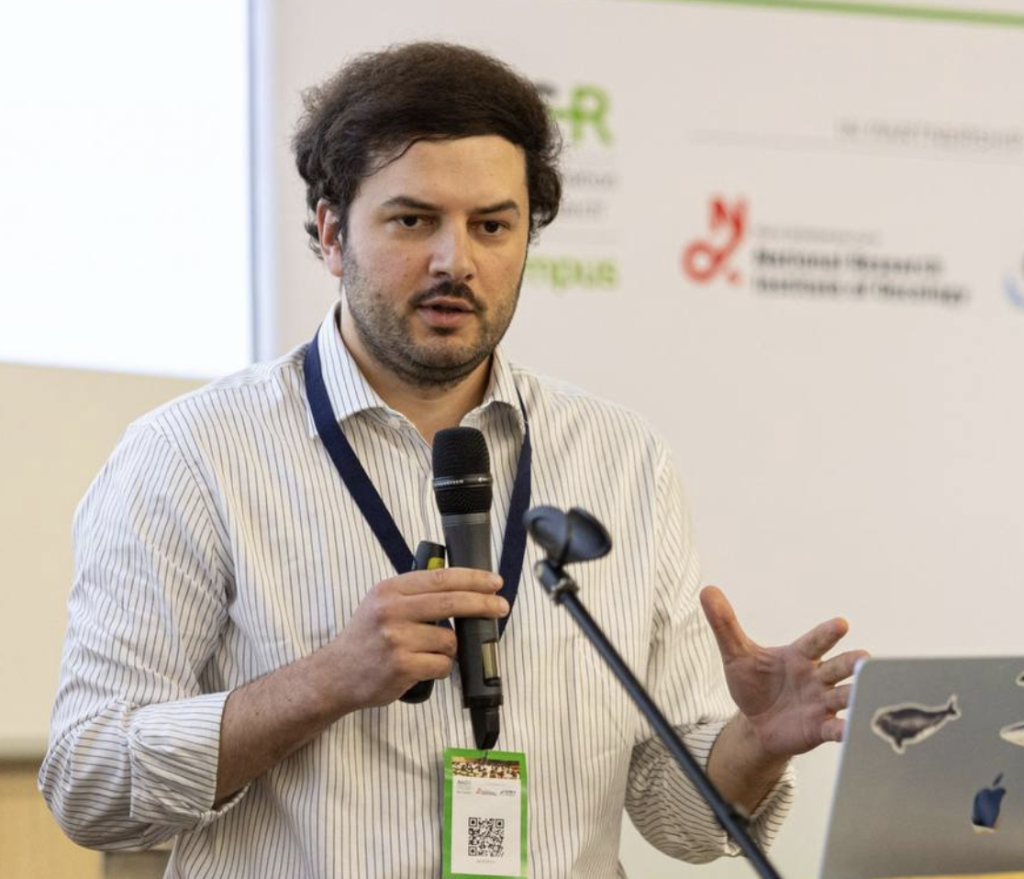
"These numbers are hard to interpret. Because of the war, we do not have a reliable picture of cancer rates," says Arman Kacharian, medical director of the National Cancer Institute.
"That concerns people in the temporarily occupied territories and frontline regions, where access to diagnosis is limited. It also includes the many people who have been displaced within Ukraine and the millions who have left the country, received temporary protection abroad, and, in many cases, free cancer treatment. So right now, we cannot say whether cancer rates in Ukraine are falling or rising."
The war is also affecting how early cancer is detected, Kacharian says. More patients are arriving at the National Cancer Institute with advanced-stage disease. The institute points to several reasons.
Hospitals and warehouses as targets
Russian forces are increasingly attacking passenger trains, and strikes continue to damage medical infrastructure. According the Ministry of Health, as of 1 September 2026, 2,687 facilities of 854 healthcare institutions had been damaged or destroyed. The Kharkiv, Donetsk, Dnipropetrovsk, Kherson, Mykolaiv, and Kyiv regions have suffered the most damage.
The attacks are also hitting warehouses that hold medical supplies. On 3 September, a Russian strike damaged the Biocon logistics complex in the Boryspil district of the Kyiv region, one of the country's largest pharmaceutical warehouses. Drug distributors, including Optima-Pharm, Universal Logistic, BaDM, and others, have also come under attack.
"When suppliers' warehouses are damaged, hospitals can suddenly lose access to things that seem basic but are essential – gloves, syringes. That is why hospitals need multiple supply routes, backup stocks, and contingency plans for disruptions," says Kacharian.
When people are focused on survival and living under constant stress, check-ups can easily take a back seat, he adds. People delay appointments, increasing the chances that cancer will be diagnosed at an advanced stage.
Rina Zaichenko learned she had cancer just days after her wedding, in the summer of 2023. It started with kidney pain. For a month, doctors could not determine what was wrong. Her creatinine level – used to assess kidney function – was too high for an immediate contrast-enhanced CT scan.

When doctors finally found a mass in her kidney, one thought it was a cyst and told Zaichenko to return in two months for a follow-up ultrasound. Then another doctor following her case feared the mass could be cancer and referred her to an oncologist, who confirmed it. Doctors referred Zaichenko to specialists at the National Cancer Institute in an effort to save her kidney.
"At that point, I knew very little about cancer. I was scared to go to a cancer center," Zaichenko recalls. "At first, the doctor reassured me and said it was only stage two. The tumor was small, and they would remove it. But then I had a CT scan of my lungs before surgery, and it showed there were already metastases. My stage-two cancer had become stage four."
Zaichenko had several surgeries. Doctors first removed the kidney tumour but saved the kidney. Six months later, they removed metastases from both lungs in two separate operations. Almost all of her treatment was free; she only had to pay for some medications. But treatment in Kyiv brought another challenge: air-raid alerts and attacks could disrupt it at any moment.
"The attacks were not as intense then as they are now, but they still added a lot of stress. After surgery, it was hard for me to walk. I had a catheter and a drain. So when the siren went off, I physically could not just get up and go to the shelter," Zaichenko says.
Zaichenko's husband is in the military, so he could not always be there when she needed him.
"When you have cancer, you need more than medical care. Sometimes you need someone to help you get to the right office, support you during a procedure, or sit with you when you're scared," she says. "Luckily, my mother was always there. But cancer patients often lack that kind of support – especially after surgery, when you have to visit several offices, sign papers, or find the right doctor. You can be physically exhausted and have no energy to figure out where to go or what to do."
Beyond the treatment, fear and exhaustion
Cancer is not just treatment. Patients have to make dozens of decisions while scared, exhausted and unsure of what comes next. That is why Zaichenko believes cancer centres should have specialists or volunteers to help patients navigate the process: what tests to get, what documents to collect, where to go – and to offer emotional support along the way.
Zaichenko has now been in remission for two years. At first, she needed follow-up tests every six months; now she goes once a year. That too comes with its challenges.
Doctors recommend PET-CT scans because they reveal more than a standard contrast-enhanced CT scan. The problem is getting one. Only three hospitals in Ukraine offer PET-CT – two for adults and one for children – and all three are in Kyiv, meaning long waits. With a doctor's referral, PET-CT is supposed to be free under the list of diagnostic procedures covered by the government.
‘At first, people did not even know whether they could continue treatment, where they could get their medications, or what would happen next’ – Viktoriia Romaniuk
The queues are so long that many patients pay out of pocket. One scan costs 25,000–30,000 hryvnias (around €500–600). Even then, you may still have to wait.
"This summer, I started calling early to book my next scan. In June, they told me to call again in July, when appointments opened. In July, I learned the machine was being repaired or serviced. They said appointments would open in mid-September, and the earliest scans were already scheduled for November. Luckily, I can wait because I'm in remission. But some people cannot wait," Zaichenko says.
The shortage of PET-CT machines comes down to the cost of the equipment, maintenance, and shortages of specialised radiopharmaceuticals – substances that expire within hours and cannot be shipped long distances from Kyiv to other regions.
In 2025, the Ministry of Health announced plans to build two more nuclear medicine centres. One will be in Lviv, at Danylo Halytskyi Lviv National Medical University in partnership with the Lviv Oncology Centre. The other will be in Kyiv, at the National Cancer Institute. Two sets of equipment have already been purchased for 445.05 million hryvnias (around €8.7 million). The cyclotron – the main component – takes a long time to manufacture, and delivery is not expected until July 2027.
In June 2024, Olena Chumliar happened to find a small lump near her collarbone – so easy to miss that she barely thought about it at first. About a month later, she felt pain and saw a doctor. A breast specialist suspected a fibroadenoma, a benign breast tumour, but recommended a biopsy at a cancer centre.
"When the results came back, it turned out to be one of the most aggressive forms of breast cancer. It can progress quickly, so treatment started immediately," Chumliar recalls.
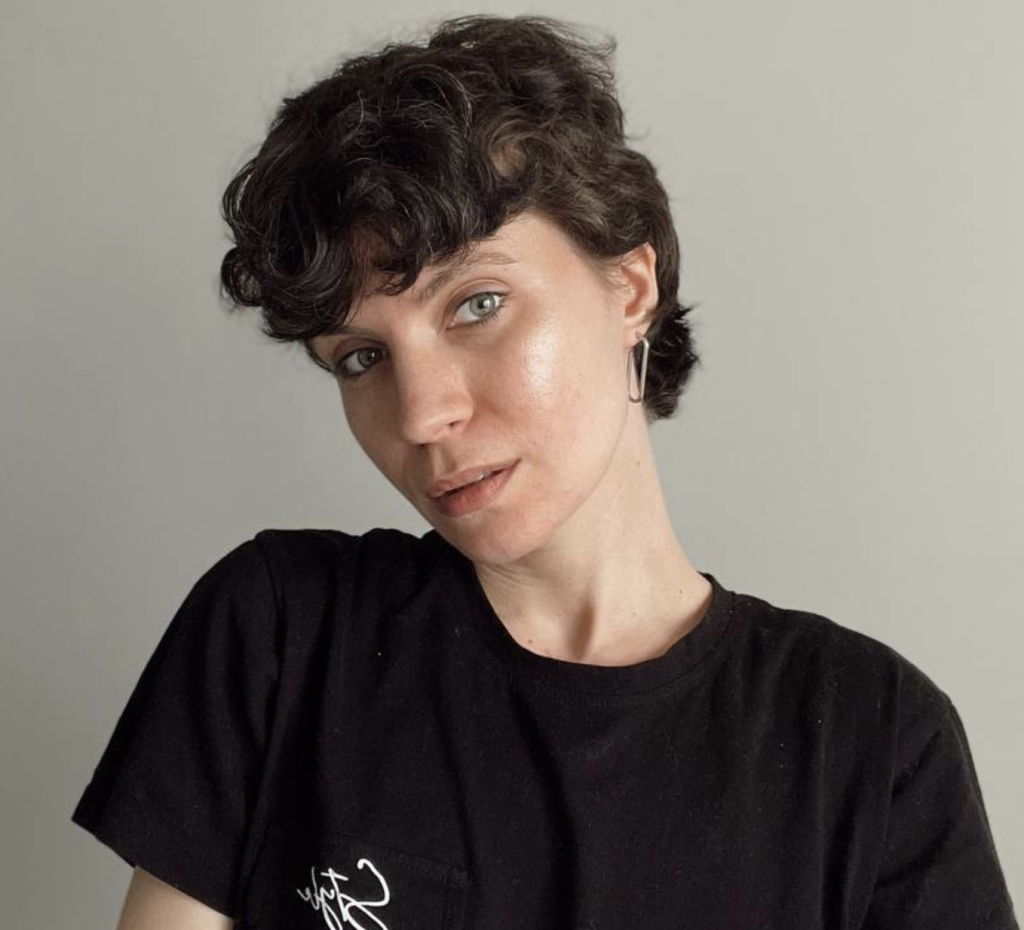
She began with chemotherapy to stop the tumour from progressing, then had surgery. The cancer centre had all the medications she needed, so her treatment was free. Occasionally, she heard that drugs were not always available; when supplies ran short, patients had to search for them in other cities and regions.
"I was lucky: I got all six rounds of chemotherapy without any interruptions. The only thing that could stop a session was an air-raid alert," Chumliar says.
The sheer number of patients made it hard to see a chemotherapy doctor without an appointment. She would arrive at the cancer centre by six in the morning, hoping to be seen in time for treatment. But if an air-raid alert sounded, everything stopped: patients were not seen, and treatment could be pushed back further still.
"One time, the air-raid alert started while I was getting chemotherapy. They moved the patients into the hallway, and I waited there too, still attached to my IV stand, until the alert ended. It was physically too hard for me to go down to the shelter," Chumliar says.
The area around the cancer centre was often targeted by missiles and Shahed drones, which added another layer of fear. She completed her treatment nonetheless, receiving her last targeted-therapy infusion in January 2026. She now takes hormone therapy and gets regular check-ups.
"Even though I managed to get through treatment without medication shortages, I still see those endless lines and narrow hallways packed with people," Chumliar says. "We need a clearer system. Patients should not have to stand in line from six in the morning to get chemotherapy. Communication inside hospitals also needs to improve. We understand that everyone is under stress, but medical workers also need to remember what cancer patients are dealing with. They are fighting a serious disease on top of everything the war has thrown at them."
The challenges the war brought
The challenges facing medical facilities have changed throughout the full-scale invasion, says Kacharian. In 2022, one of the biggest problems was obtaining medicines and medical supplies: with Ukraine's airspace closed, transportation became far harder.
At the same time, millions of people moved. Residents of northern, eastern and southern regions affected by the war relocated to safer central and western cities, and medical workers moved with them. Some hospitals were left nearly empty, while others were overwhelmed.
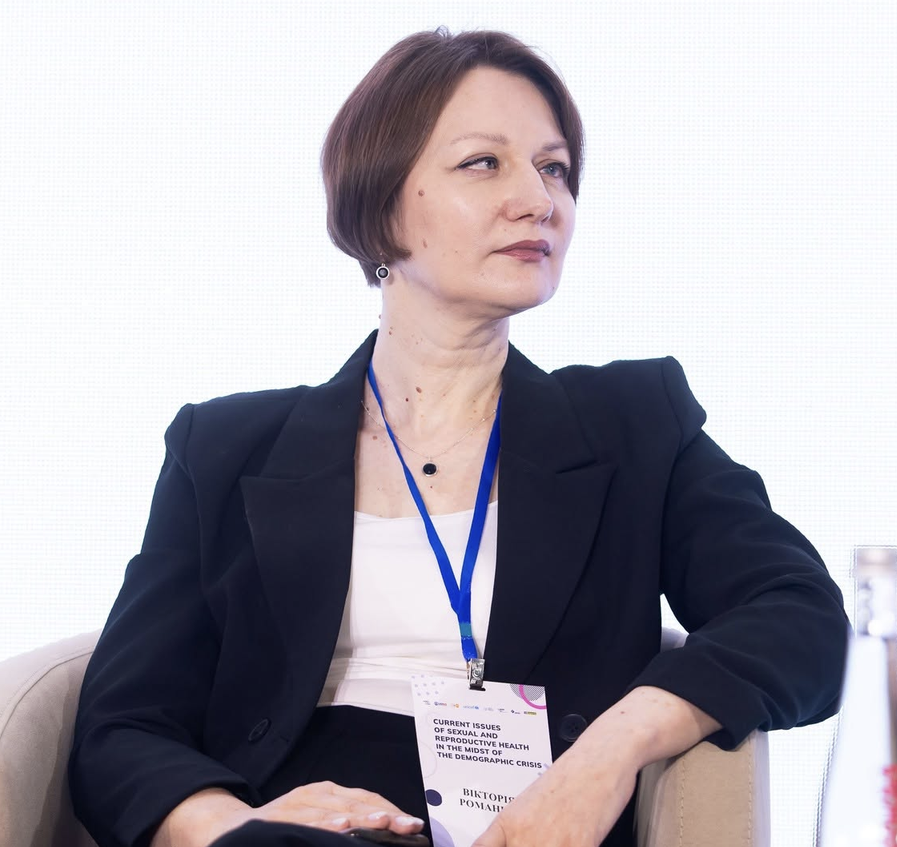
"At first, people did not even know whether they could continue treatment, where they could get their medications, or what would happen next," says Viktoriia Romaniuk, president of Athena. Women Against Cancer, a nonprofit that represents more than 50,000 cancer patients. "I remember one Kyiv cancer center where patients who could move on their own were discharged, while those in intensive care or recovering from surgery were moved into a shelter, where doctors continued treating them. It was incredibly stressful for both patients and medical workers."
The situation gradually improved, but the war brought new challenges: power outages and attacks on critical infrastructure. To make hospitals more self-sufficient, the government and international donors funded generators, wells, pumps and, where possible, independent heating systems.
"Air-raid alerts remain a complex problem for hospitals. When surgery is underway, you cannot stop. Staff know the risks, evacuation plans are in place, and shelters are equipped. But it is hard to create a single clear response procedure for all air-raid alerts. Each situation is different, so hospitals need to assess it case by case and make flexible decisions," Kacharian says.
Constant stress and burnout
Many problems in medical facilities come down to poor communication, Kacharian says. Constant stress puts everyone on edge, making mutual respect among administrators, medical workers and patients especially important.
"Administrators need to keep communicating and be ready to hear complaints from both staff and patients. Medical workers need to understand that people do not come to a hospital because they feel like it. They have a need, often a serious one. On top of the stress of war, they are dealing with a serious illness. Patients, in turn, need to remember that doctors are working under enormous pressure," he says.
The National Cancer Institute does not face a major staffing shortage right now, Kacharian adds. Some employees who left have returned, and male employees have been exempted from mobilisation. Burnout, however, remains a serious problem. Medical teams have spent years working through air-raid alerts and attacks. Even getting to work is harder now, with traffic jams and public transit delays adding to the strain.
"The war and all that accumulated stress affect how patients and medical workers interact and can fuel conflicts,” says Viktoriia Romaniuk. ”But it is important not to blame one side. Right now, both patients and doctors need mutual respect, understanding, and support”.
👉Original article on Rubryka
🤝 This article was produced within the PULSE collaborative network.
🗣️ Have a question, comment or suggestion? Share it with us through the PULSE reader form – we read and reply to every message. Be part of Europe’s conversation. Your experiences and ideas can inspire the next stories we tell. Join the PULSE readers’ community by filling in this short form.
Do you like our work?
Help multilingual European journalism to thrive, without ads or paywalls. Your one-off or regular support will keep our newsroom independent. Thank you!