










Select a language
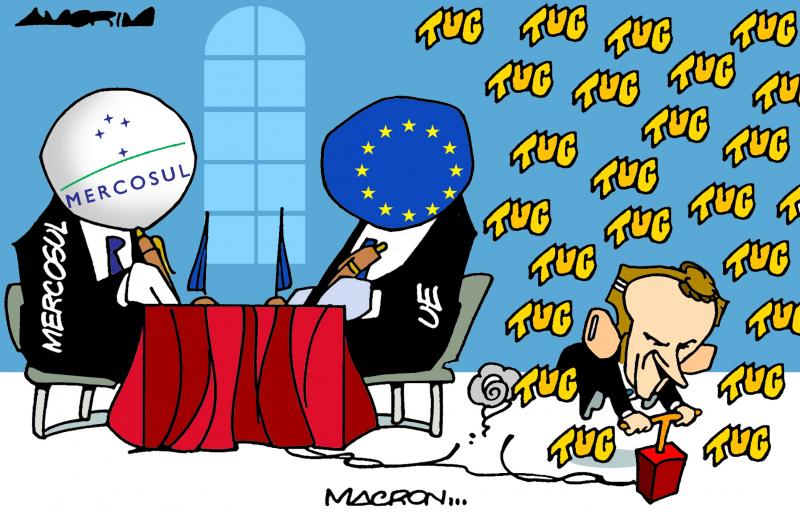
Has one of the most volatile debates of recent years finally reached its conclusion? After more than a quarter of a century of negotiations, the trade agreement between Mercosur and the European Union is finally set to be signed on 17 January. The text promises the establishment of one of the largest free trade zones in the world, primarily through a reduction in customs tariffs between the EU and five South American countries: Brazil, Argentina, Bolivia, Paraguay, and Uruguay.
The agreement has been a hot-button issue in a number of EU countries, especially France, Poland, Belgium, Ireland and Spain. Farmers have taken to the streets in many of these countries to voice their concerns over its economic impact. Several environmental organisations have also denounced the agreement, alleging that it will open the doors to – among other things – the destruction of the Amazon rainforest, increased trade of pesticides and the import of environmentally harmful consumer goods.
Dissent is also rife among the EU member states themselves: Austria, France, Hungary, Ireland and Poland all voted against signing the agreement, and plan to continue the fight in the European Parliament, which still has to give its approval. Farmers and their allies intend to continue their blockades.
Do you like our work?
Help multilingual European journalism to thrive, without ads or paywalls. Your one-off or regular support will keep our newsroom independent. Thank you!