









Select a language
3 May marked World Press Freedom Day, an initiative created by the United Nations General Assembly to highlight the importance of this fundamental principle of democracy and independent journalism, and “key to peace, economic recovery, sustainable development and human rights.”
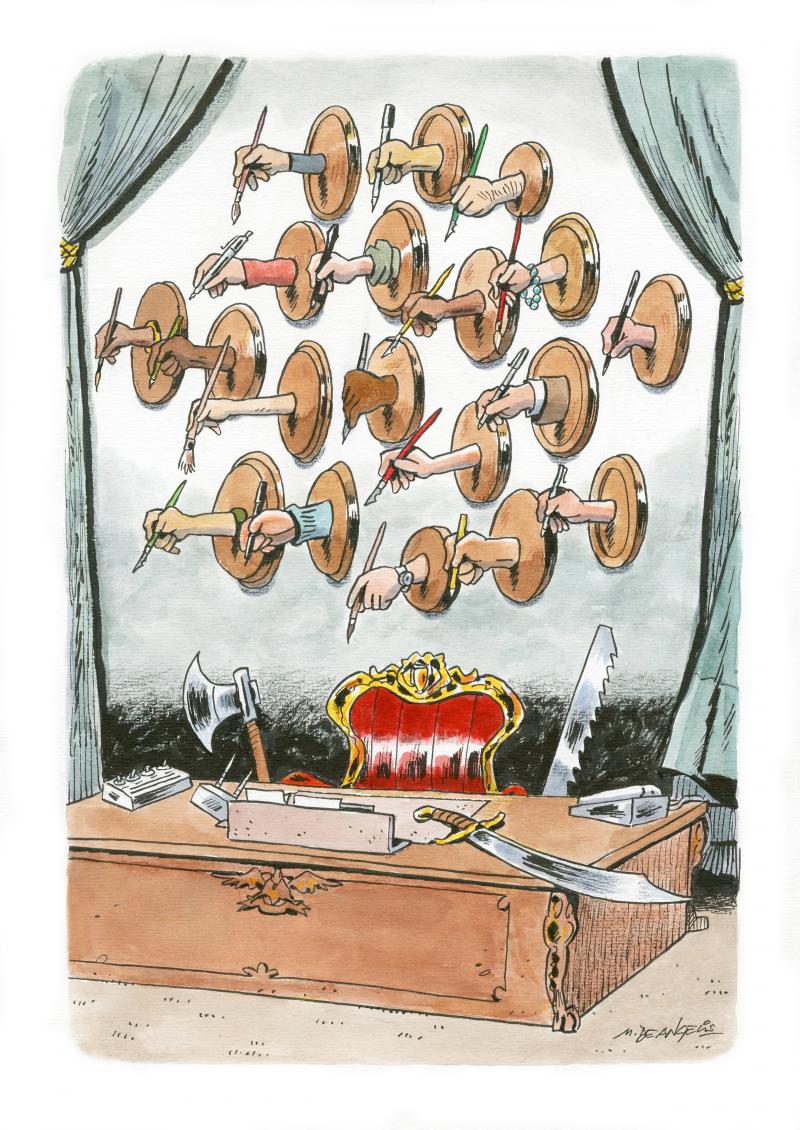
In the world of journalism, this year is particularly important, given that so many alarm bells are ringing in unison. According to a UNESCO report, press freedom has suffered its sharpest decline since 2012, “comparable to that seen during the most unstable periods of the 20th century— the two world wars and the Cold War”. From Donald Trump’s United States to Vladimir Putin’s Russia, to the Middle East, journalists are facing attacks of unprecedented intensity, the development of an increasingly restrictive legislative arsenal and the pursuit and perpetuation of armed conflicts, of which they are also victims.
The alarm is echoed by Reporters Without Borders, who note in the 2026 Press Freedom Index that “for the first time in the history of the Index, over half of the world’s countries now fall into the ‘difficult’ or ‘very serious’ categories for press freedom.” And whilst Western Europe still stands out as the region where the press is most free (the 19 countries at the top of the ranking are here), RSF notes that “the region increasingly resembles a vast experiment where established values are turned on their head and legislation is used to serve those in power at the expense of the right to inform.”
Do you like our work?
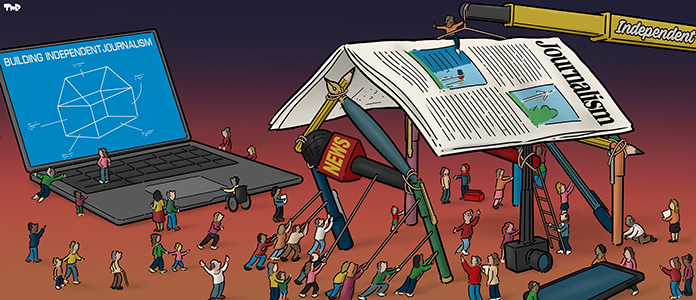
Help multilingual European journalism to thrive, without ads or paywalls. Your one-off or regular support will keep our newsroom independent. Thank you!


