







Select a language
Ruslan Surugiu has better options: given his experience, he could earn significantly more in Germany, where he lived and worked for a long time, and be with his family there. However, he says that when the country calls, you have to put personal feelings aside and help. “That’s how he convinced me,” he says of the former energy minister, who gave him this argument and helped him get his current job.
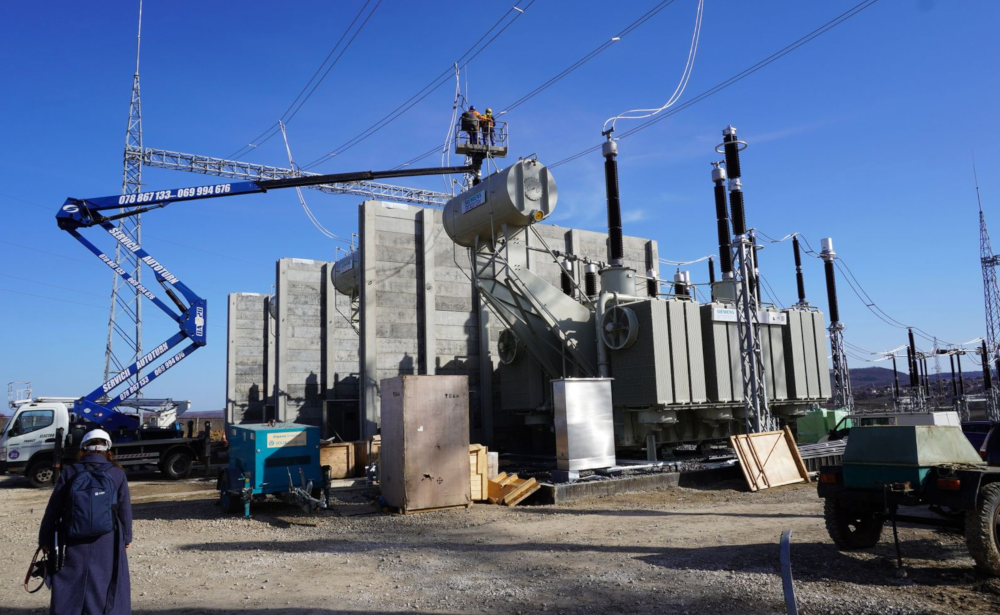
The long-serving energy expert is now head of the Moldova Energy Projects Implementation Unit (Mepiu), responsible for implementing major energy projects in the Republic of Moldova. For nearly three years, he has overseen the completion. “It might not seem like a big deal to you, but for us it’s huge,” he says at a substation site 25 minutes south of the city centre.
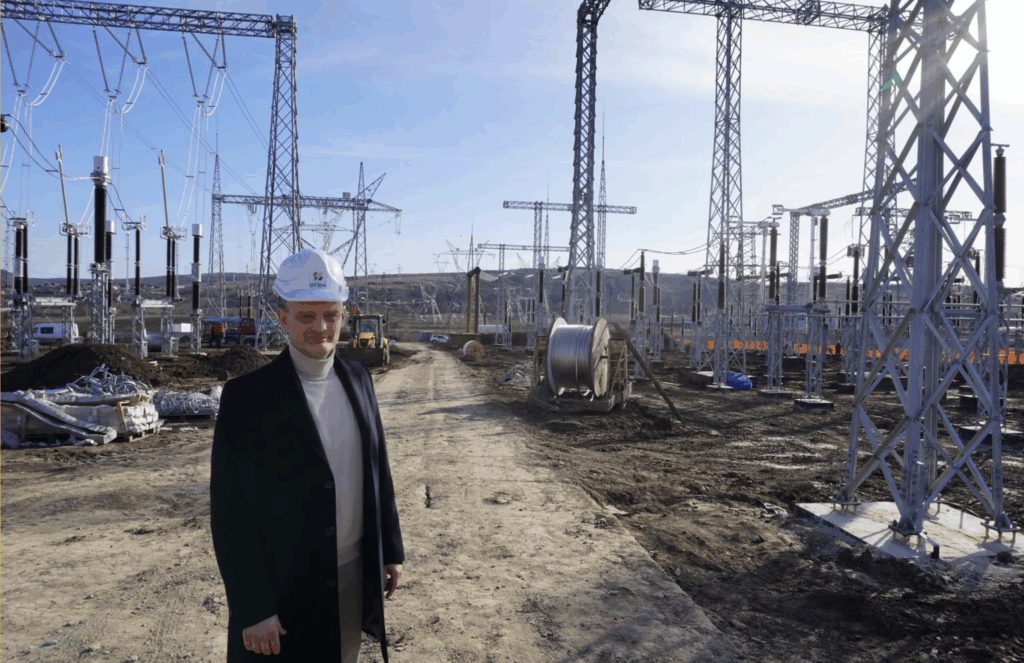
When asked what the expected completion at the end of May 2026 means to him, he allows himself a slight smile beneath his white helmet: “It’s not called Independence Line for nothing; I’m not here in vain,” he says, pleased by what he sees as regained sovereignty and an end to Russian pressure.
The high-voltage power line connects the capital, Chișinău, with Vulcănești in the far south of the country – and thus with Romania and the European electricity grid. Once the electricity starts flowing at the end of May, Surugiu says he will have done his duty. By then, he will have made his country significantly safer.

Ending dependencies from Russia
This is because the existing main line is not only almost 60 years old and therefore extremely vulnerable, as a recent major power cut made clear. It also runs through Ukrainian territory, but above all through [the breakaway republic of] Transnistria, where Russian gas has long been used to produce a large proportion of the electricity consumed in Moldova.
Just a few years ago, Moldova was fully dependent on Russian gas and 80% dependent on electricity from the self-proclaimed separatist republic on the left (eastern) bank of the Dniester River. Moscow exploited this by turning off the gas tap whenever it heard of political developments in the former Soviet republic that it disapproved of.
‘Moscow used the Soviet infrastructure system that Moldova inherited to keep the country within its sphere of influence’ -Sergiu Tofilat
Surugiu explains that he had campaigned for decades to get such projects off the ground, but this had proved impossible under the pro-Russian governments that preceded the current one – no matter how much he argued his case or pointed to the risks.
After two gas-free winters, a war of aggression in a neighbouring country and a change of government to Maia Sandu’s PAS, the “supposedly impossible” was achieved within five years.
The issue of debt with Russia
Sergiu Tofilat, an energy expert from the transparency and policy analysis think tank Watchdog, explains the long-established energy supply system for Moldova and Transnistria as follows: Russian company Gazprom supplies gas to Moldovagaz, the country’s largest energy company, via a Ukrainian pipeline and Transnistria. Conveniently, Gazprom is the majority owner of Moldovagaz.
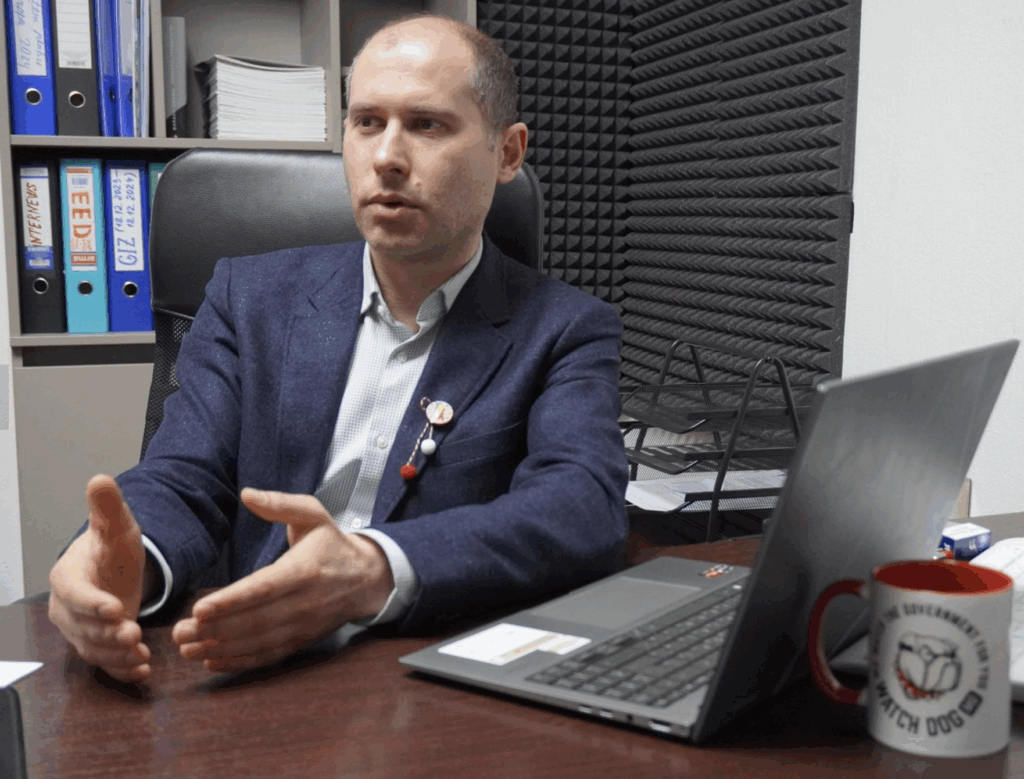
“Moscow used the Soviet infrastructure system that Moldova inherited to keep the country within its sphere of influence,” says Tofilat. Consequently, Chișinău has repeatedly considered nationalising Moldovagaz.
Public perception was that Transnistria received the gas for free. In reality, Tiraspol simply did not pay Moldovagaz. Nevertheless, gas continued to flow, helping sustain the pro-Russian regime. Nevertheless, to prop up the pro-Russian regime, the gas from Moscow continued to flow without any consequences. Gazprom later claimed that the accumulated debt to Moldovagaz was 756 million dollars, which it intended to charge to Chișinău. In the 1990s, this argument was repeatedly used to take over Moldovan infrastructure in order to 'settle the debt'. However, Norwegian auditors recently concluded that the real debt is closer to eight million dollars. Tofilat goes further, arguing that there is no debt at all.
Steps towards energy independence
Since 2019, Moldova has taken several steps towards energy independence. In 2019, the so-called Vertical Corridor – which supplies Turkey, Greece and Bulgaria with Russian gas – was modernised, allowing gas and LNG to flow in the opposite direction, towards Romania, Moldova and Ukraine. At the time, Russia paid little heed to this, as these countries were unable to compete with its prices. In 2021, this was followed by a key gas connection to Romania.
In terms of electricity, the final warning shot came with the full-scale invasion of Ukraine. According to Tofilat, it was no coincidence that the Russian invasion of Ukraine in February 2022 began just as Moldova and Ukraine were conducting large-scale tests to synchronise their power grids with the West: “Vladimir Putin struck at the most vulnerable moment”.
Surugiu agrees. In any case, the tests — which usually take 10 to 14 years — were completed in less than four weeks. Moldova then began receiving electricity from Europe. Once again, the war acted as a catalyst.
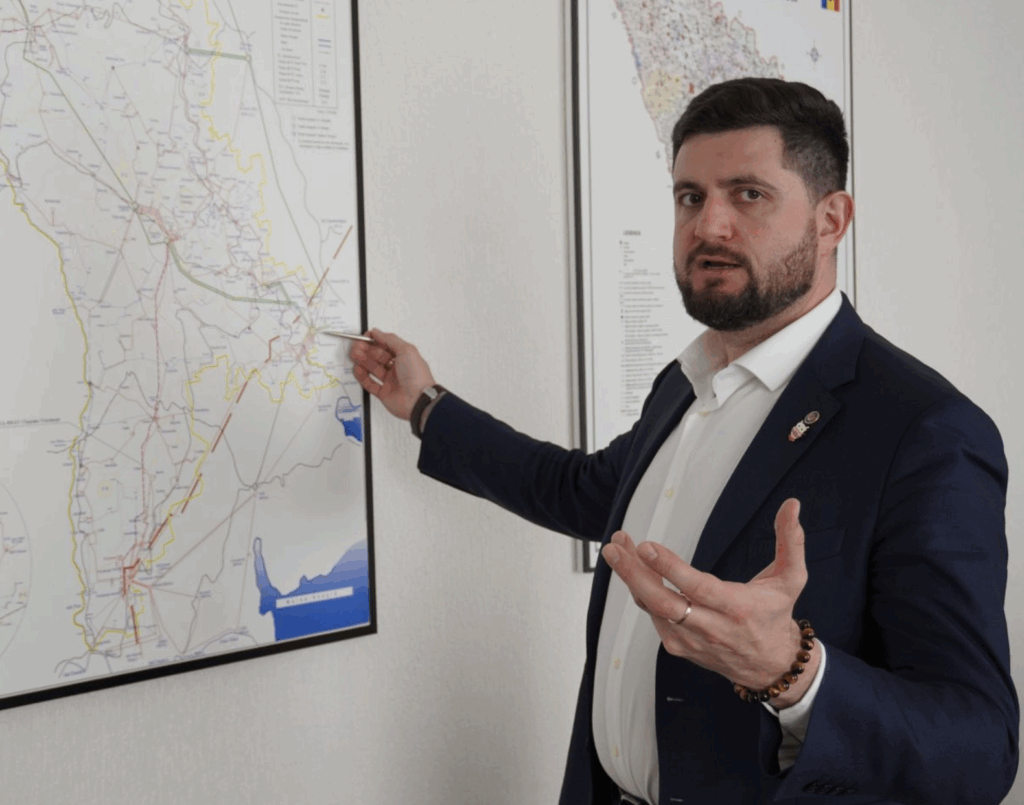
Moldova’s government is determined to end its remaining dependencies. When asked whether this simply replaces one dependency with another, officials point to strong ties with Romania, EU integration and a more diversified energy market, whether through new supply lines or renewable energy.
Dorin Junghietu, 39, is proud of the progress made so far. Like Surugiu, he has many years of experience in the energy sector. Having spent years at major international energy firms, Junghietu wanted to return home and was the most suitable candidate for the CEO post at Moldovagaz. However, according to reports, the Russian majority shareholder, Gazprom, had some reservations about his appointment.
He has been Energy Minister for a year now, primarily responsible for continuing the path towards complete independence from Russia. This is a fact that brings a smile to his face, given his near-miss at the top job.
Gas at market prices
Junghietu aims not only to increase independence but also to invest in renewables, improve efficiency and ensure that people in Transnistria pay market prices – even if this is painful in the short term. He stresses that the current energy supply system to Transnistria is unreliable.
Since Ukraine allowed the Russian gas transit contract to expire – refusing to fund the war against itself – Transnistria has become fully dependent on supplies via Moldovagaz. The Swiss trader Metron manages the transactions.
The money reportedly comes from Dubai, though some suspect Russian intermediaries. Experts say this increases the risk of banking issues, which have already caused repeated supply interruptions. However, the Transnistrian authorities rejected an EU–Moldova proposal for a more stable supply linked to human rights conditions. “Tiraspol did not want to, or were not allowed to, accept the offer,” says the minister.
Many in Moldova believe time is on their side. They argue that Moscow has abandoned allies because of the war in Ukraine and that Transnistria may face the same fate. If needed, Chișinău says it is ready to help. “Of course we care about the people on the left bank of the Dniester – they're Moldovans too”, says Junghietu.
Confederation or Union State?
Progress in the energy sector is among the most praised aspects in EU enlargement reports. Accession was once targeted for 2028; Chișinău now aims for 2030.
Many were surprised when President Sandu said she would support union with Romania in a referendum. The energy minister has also expressed support. This would be a fallback option — a shortcut to the EU and NATO.
Observers say the government may also be signalling to Brussels that alternatives exist if accession is delayed.
The fight against corruption
Fear of Russia explains many developments in this small but dynamic country. For instance, transparency activist Vlada Ciobanu of CPR Moldova says President Sandu is often criticised for leaving little room for pro-European alternatives.
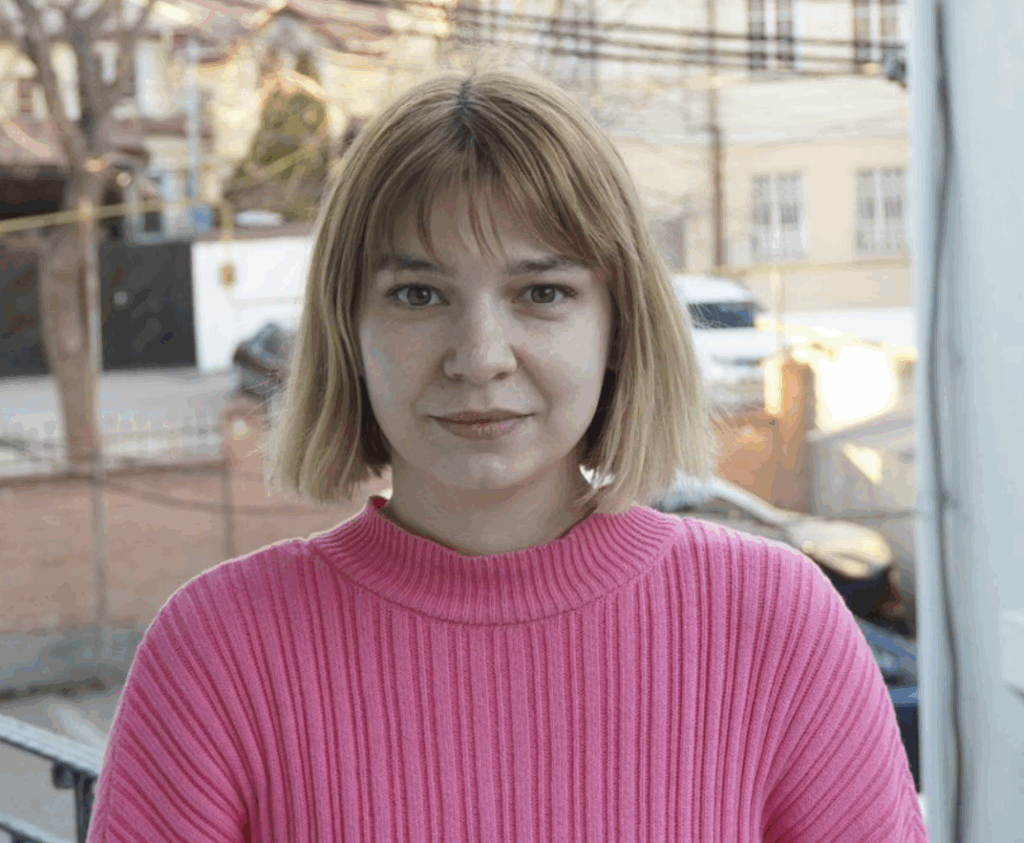
Such votes are sometimes described as “lost” or “a vote for Russia”. Tofilat makes a similar point: he campaigned for a pro-European alternative with the Party of Change, but without success.
Moldova has nevertheless made progress in civil rights and anti-corruption. Between 2019 and 2024, it gained eleven points on Transparency International’s Corruption Perceptions Index, before slipping slightly in 2025 to 42 out of 100.
The country ranks 80th out of 182. The recent drop reflects slow judicial reform. While petty corruption is declining, Ciobanu says bribery still occurs in high-value sectors such as construction and energy.
Ciobanu also says that they are currently able to work largely free from interference – unlike under previous pro-Russian governments. However, she warns that the system is fragile and that the desire to join the EU must not lead to self-censorship. “With the war on our doorstep and the significant influence of Russian media outlets, trolls and puppets,” she says, “there is sometimes a temptation to play down criticism of state affairs.” But a strong civil society must confront these issues, especially at a time when Moldova is making decisions that will shape its future.
👉 Original article on Der Standard
Do you like our work?
Help multilingual European journalism to thrive, without ads or paywalls. Your one-off or regular support will keep our newsroom independent. Thank you!