









Select a language
Two years have passed since, May 9, 2010, when the 27 Eurozone leaders believed all that was needed to avert the danger of euro collapse was to create a €750 billion emergency fund.
But the crisis continued to spread, affecting major countries like Spain and Italy. The money earmarked for struggling countries has not prevented financial markets from destabilising the single currency. And austerity measures have only had the effect of weakening economies and deteriorating the living conditions of Europeans.
We must find something else. In 2012, it is growth and debt pooling that are central to the debate. But for that, the Europeans may have to enter into greater political union. A new Europe to negotiate its way out of the crisis? This is the challenge that this report aims to tackle.
Do you like our work?
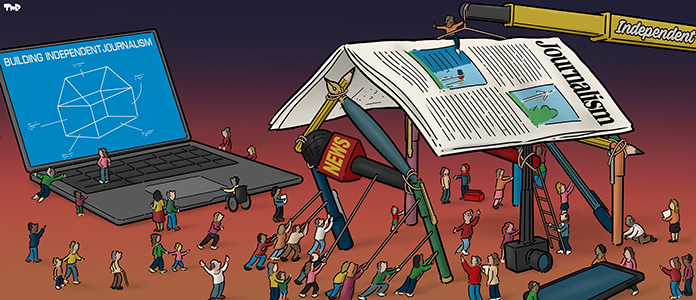
Help multilingual European journalism to thrive, without ads or paywalls. Your one-off or regular support will keep our newsroom independent. Thank you!