













Select a language
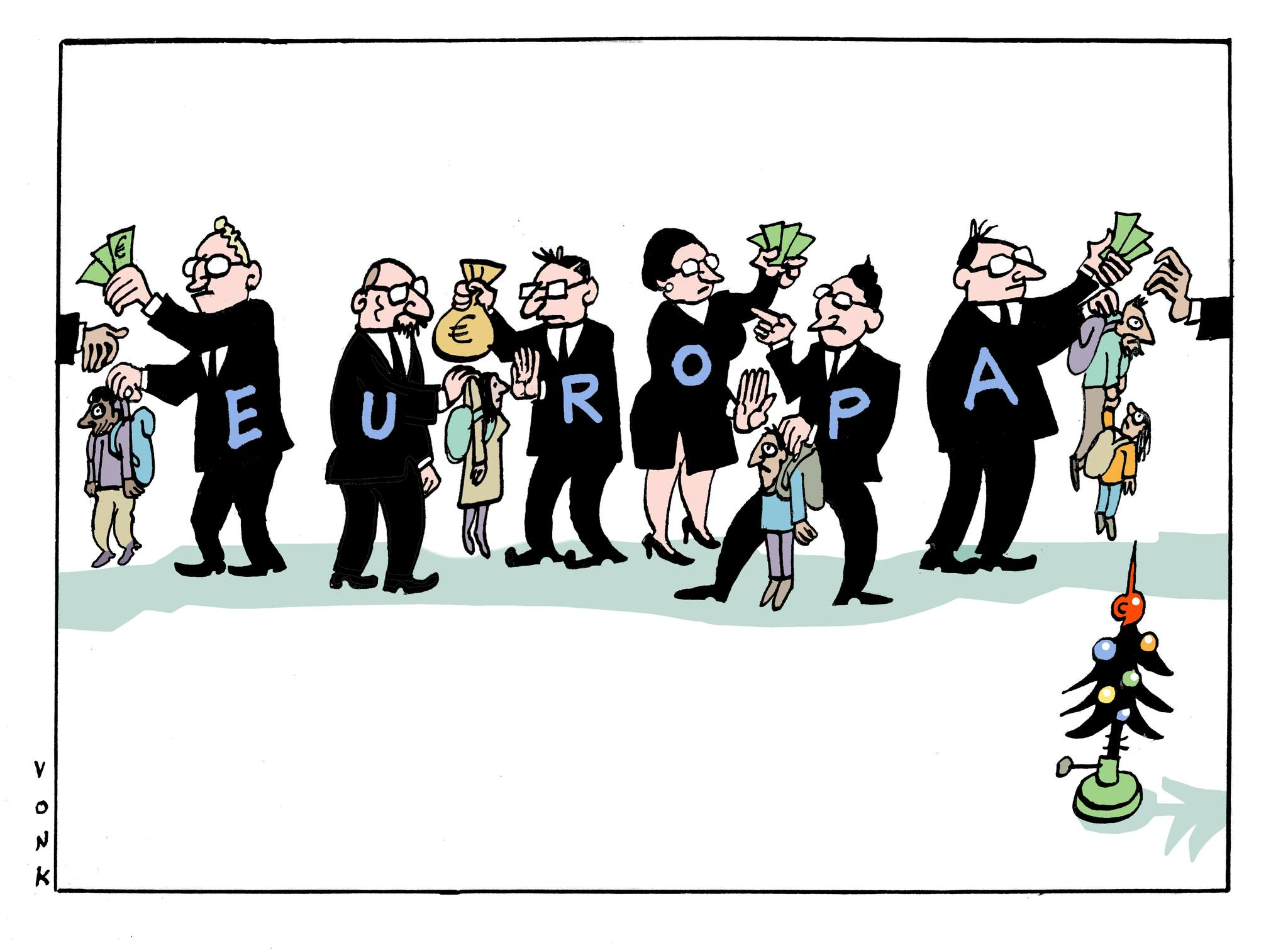
On 8 December, the interior ministers of the European Union member states approved three texts presented by the European Commission aimed at tightening migration rules. The creation of “return hubs”, the return of irregular migrants to “safe” countries unrelated to their country of origin, and tougher penalties for those who refuse to leave: Europe's crackdown marks a turning point in the continent's reception policy.
The measures were designed with the stated aim of countering the far right, which is pushing for tougher migration rules across Europe. The far right and conservatives in the European Parliament have in fact given the green light to the measures, while the left and civil society organisations are sounding the alarm over potential human rights violations.
In the future, the European model could end up resembling the externalisation model established by Italy, which was designed to allow the detention of migrants apprehended at sea in centres based in Albania. Thus far, that model has proved a flop. Meanwhile, the measures still have to be finalised within the European Parliament.
In order to relieve the burden on countries located on migration routes, the EU-27 have also approved a system for distributing asylum seekers across the EU. From June onwards, member states will either have to relocate asylum seekers to their territory or pay a contribution to countries under pressure. This mechanism has been hotly debated, as countries willing to take in migrants are – for the moment – few and far between.
Do you like our work?
Help multilingual European journalism to thrive, without ads or paywalls. Your one-off or regular support will keep our newsroom independent. Thank you!