



Select a language
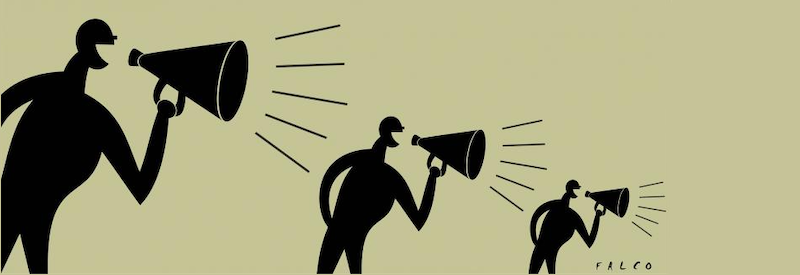
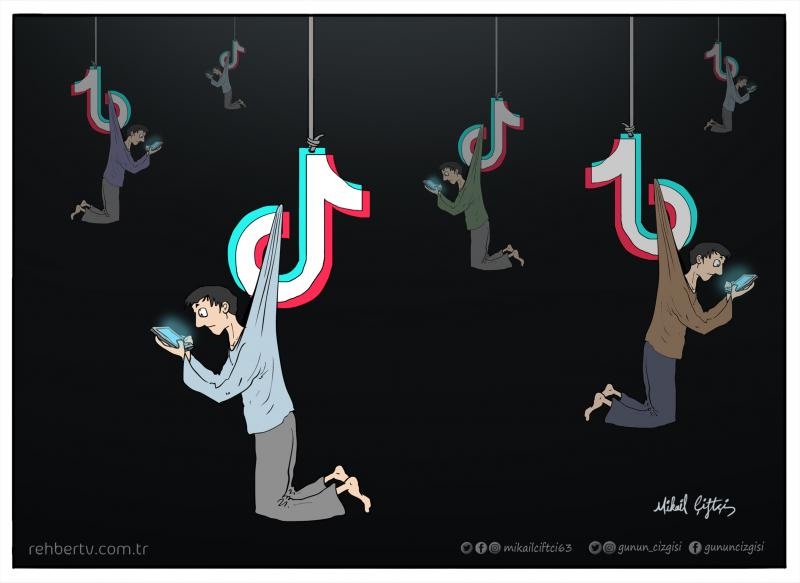
Every evening, millions of Europeans skip the TV news and open YouTube, TikTok or Twitch instead. In France, a single young explainer reaches more than a quarter of under-35s. In Turkey, where much of the mainstream media has been captured, many of the most-watched creators are journalists pushed out of their newsrooms. In the United States, Twitch streamer Hasan Piker has become such a force in politics that Democrats argue over whether being seen with him wins elections or loses them.
These creators don't merely report. They build communities. And earlier this month, the European Commission finally noticed them. Sort of.
The Digital Fairness Act, unveiled on 11 November, gives European law something it never had: a definition of influencer marketing. An influencer, say policymakers in Brussels, is someone who uses their popularity to promote products in exchange for payment. And "payment" can be cash, or a free hotel night or an invitation to a launch party.
Much of the law is overdue. Fake countdown clocks, subscriptions you can't cancel, loot boxes sold to 12-year-olds: good riddance to all of them.
You exist if you sell something
The influencer rules are fair too. When the Commission and national authorities checked 576 influencers in 2024, 97% had posted commercial content but only around 20% consistently owned up to it. Advertising should always be labelled as such and creators who care about their audiences and trust should be transparent. But read the law as a news creator, and something odd happens. You only exist when you're selling something.
The text sees creators solely as an advertising channel: a billboard with a face. There is no mention of everything else a news creator does: reporting, explaining, fact-checking, satire, commentary.
The Commission's own cover note says the disclosure rules "do not extend to editorial or personal expression." Good. However, why does that sentence sit in the explanatory memo, but not in the articles that regulators and judges will actually apply? And it raises a further question: where does the trade end and the journalism begin? The answer depends on which consumer authority you ask, and in which country.
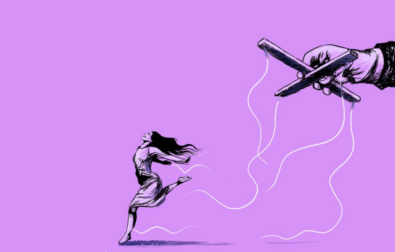
Then there's the question of liability. Brands must make sure, through contracts, that influencers comply, and that they can recover costs from anyone who contributed to a breach. In practice, that means longer contracts drafted by a brand's legal department and signed, unread, on a phone by a one-person newsroom. A multinational has a compliance team. A creator with 300,000 subscribers has a laptop.
And the biggest problem of all: nobody asked them.
The Commission's list of who it consulted names business associations, consumer groups, children's organisations and academics. Creators' organisations are not mentioned. Media publishers lobbied to be spared the rules on autoplay. Niche streaming platforms made their case in sponsored op-eds. But news creators had no one to speak for them, because there is no one. In 2024, EU ministers themselves noted that creators have very few representative bodies, and where they do exist, they mostly serve commercial interests.
Brussels has regulated a profession that doesn't have a phone number.
That's not because creators don't care about standards. A UNESCO survey found that 62% of digital creators don't rigorously fact-check before sharing, but 73% want training. They want to professionalise. When UNESCO and the Knight Center opened a free course for them, more than 9,000 signed up. What's missing isn't goodwill or enthusiasm, It's a structure that gives them a voice.
As the European Parliament and national governments start rewriting the text, three things should change.
News creators of all countries, unite!
First, include recognition of editorial content in the legal text. What creators say on their own channels, unpaid, is journalism or opinion, not marketing. One sentence in the influencer article would spare regulators years of guesswork.
Second, stop liability rolling downhill. Creators need standard contracts and the right to negotiate them together, something EU competition rules already allow for solo self-employed workers. A brand shouldn't be able to pay a creator €500 and trade in its legal risk as part of the deal.
Third, give creators a seat at the table. The proposal already recognises professional codes of conduct and lets the Commission update its blacklists after consulting experts. Codes written and enforced by creators should count, and creators should be in the room. Creators must have recognition and allowed their own voice.
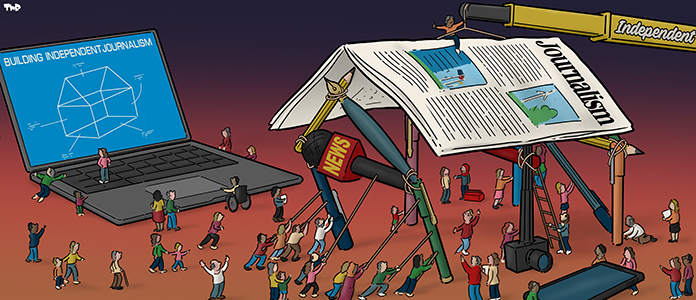
None of this works without a counterpart. We need to build an alliance for news creators: a European home for independent news influencers, commentators and streamers, open to anyone who informs, explains or comments on the world on YouTube, TikTok, Twitch, Instagram, podcasts or newsletters.
Such an alliance should be both protector and standard-setter: establishing an ethics charter overseen by an independent committee that can warn, suspend and expel members; promoting model contracts; offering legal help when an account is taken down; and providing one voice in Brussels.
We need to build […] a European home for independent news influencers, commentators and streamers, open to anyone who informs, explains or comments on the world on YouTube, TikTok, Twitch, Instagram, podcasts or newsletters
Journalists' unions have done this for a century. Some, like the Danish Union of Journalists, have already opened their doors to creators. Others can't, because their statutes require a press card or a newsroom job. That leaves most of Europe's news creators on their own.
Europe finally has a working legal definition of an influencer. The next step is to sit down with the creators who make news and commentary, through organisations of their own. In other words: pick up the phone, and start talking.
Do you like our work?
Help multilingual European journalism to thrive, without ads or paywalls. Your one-off or regular support will keep our newsroom independent. Thank you!