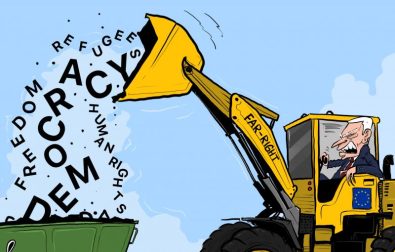


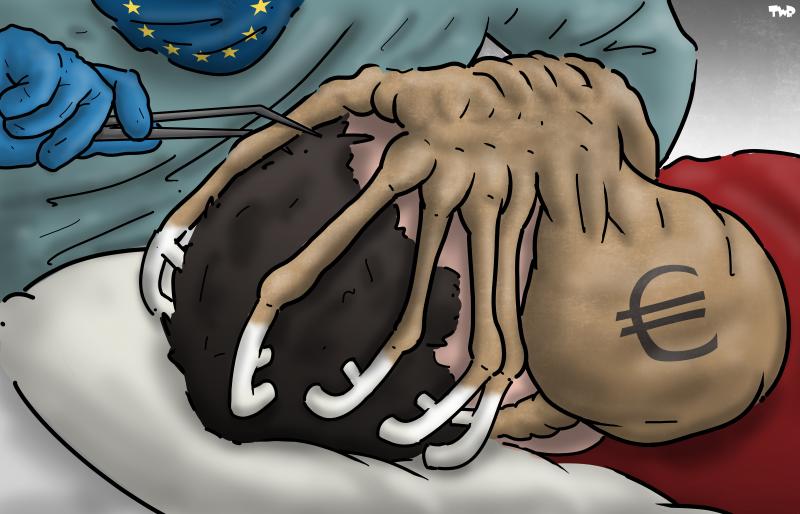
How Big Tech made itself virtually untouchable in Europe
Besides reaping colossal profits, shaping public debate and spreading disinformation, the tech giants are seemingly above the law. That's partly because they helped create it.

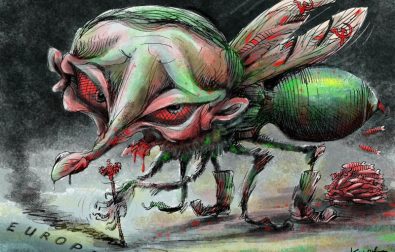
The closer an EU country is to Russia, and the more bitter its history with Moscow, the harder it has become for Russians to enter, live or buy property there. Lithuania, Poland and Bulgaria show how far apart the rules have drifted.
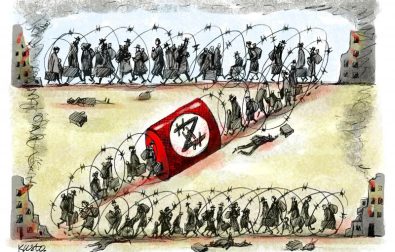
More than four years after Russia’s full-scale invasion, around 4.4 million Ukrainians in the EU are still living under a status designed for a one-year emergency. They work, study and pay taxes in Italy and Poland, yet none of this counts towards permanent residency. Their protection will expire in March 2028, but no one has said what will happen then.
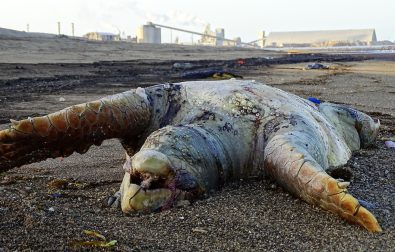
Tunisia plans to become a major supplier of zero-emission hydrogen to Europe, with Germany’s help. Much of it would be produced in Gabès, where a state phosphate plant has poisoned air, sea and land for half a century. Part of that “clean” hydrogen would go to keeping the plant running.